Nobody books a Gulf Coast beach wedding planning for rain. But if you’re getting married between May and September and a lot of couples are you need a beach wedding rain plan. Not because rain is likely to ruin everything, but because having a plan is what keeps it from ruining everything.
The couples who come out of rainy wedding days smiling are almost always the ones who thought it through in advance. The ones who didn’t? They’re still talking about it years later. And not in a good way.
Here’s how to think through it, piece by piece.
Key Takeaways
- Florida averages 80-105 thunderstorm days per year more than any other state with peak risk May through September (NOAA)
- A solid rain plan has three parts: a backup venue, flexible vendor contracts, and a guest communication system
- Light rain and overcast skies often produce better wedding photos than harsh midday sun
- Wedding weather insurance starts at $125 and covers catastrophic weather cancellations worth it for Gulf Coast summer weddings
Start with your beach wedding timeline that’s where the rain plan fits in.
How Common Is Rain at Gulf Coast Beach Weddings?
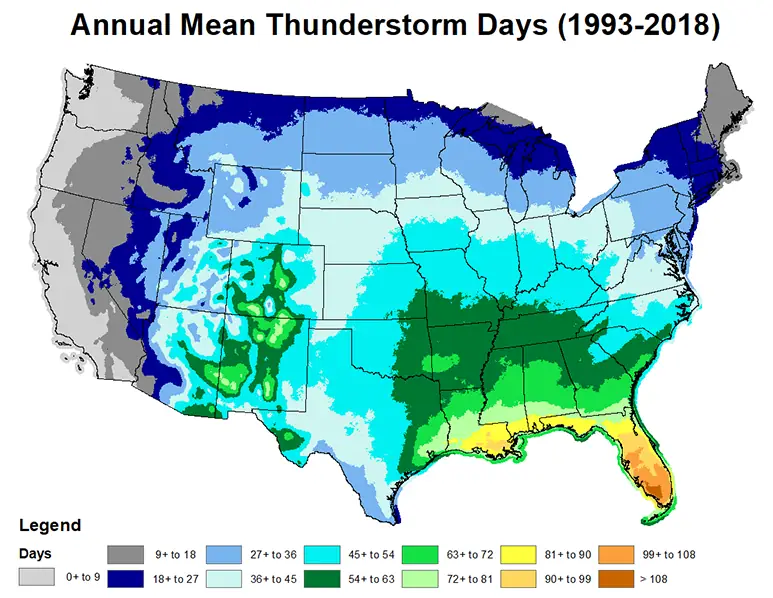
Florida averages 80-105 thunderstorm days per year, more than any other U.S. state, according to (NOAA, 2024). Pensacola specifically sees around 80-90 thunderstorm days annually, with July averaging nearly 19.7 rainy days in a single month (NWS Mobile/Pensacola, 2024). If you’re planning a summer wedding here, that’s not a fringe concern. It’s just the weather.
The good news: most Gulf Coast summer storms are pop-up afternoon systems. They develop fast, move through in 30-60 minutes, and clear. Morning ceremonies and late-evening ceremonies dodge the worst of it. But the more you know about what you might actually face, the better you can plan.
Situation 1: The Passing Shower
This is the most common scenario. A brief rain develops around 2-4 p.m., drops 20-45 minutes of rain, then clears completely. With a small buffer in your beach wedding timeline and a covered spot to wait it out, most ceremonies happen close to on schedule. Sometimes you get a rainbow. I’ve seen it happen.
Situation 2: The Afternoon Storm System
A heavier front that produces sustained rain, gusty winds, and lightning over several hours. This is rarer, but it’s exactly what a solid rain plan is built for. You’ll likely know about it 24-72 hours out. That lead time is what lets you execute a backup plan without chaos.
Situation 3: The Tropical System
A named storm or tropical depression is rare on any specific wedding date, but it does happen on the Gulf Coast. The upside: you’ll know well in advance. Tropical systems don’t sneak up on anyone. If something is threatening your wedding weekend, you’ll have days, not hours, to make decisions with your venue and vendors.
Gulf Coast Thunderstorm Days by Month (Approximate) Gulf Coast Thunderstorm Days by Month NW Florida Approximate Monthly Averages (NWS Data) 0 5 10 15 20 Jan 2 Feb 3 Mar 5 Apr 7 May 10 Jun 16 Jul 19 Aug 18 Sep 13 Oct 6 Nov 3 Dec 2 Source: NWS Mobile/Pensacola climate normals approximate values for NW Florida Monthly thunderstorm day averages for NW Florida show a sharp peak from June through August, with July averaging nearly 19 storm days. Data: NWS Mobile/Pensacola.
What Should a Beach Wedding Rain Plan Include?
A solid beach wedding rain plan has three core pieces: a confirmed backup space, vendor contracts reviewed for weather flexibility, and a clear guest communication system. Miss any one of those three and the other two don’t hold together. The couples I’ve seen handle rain gracefully all had all three locked in before their wedding week.
Backup Venue: The Most Important Piece
Identify a covered or indoor space before the wedding. Not the morning of. Options include a pavilion or covered structure near your ceremony site, a tent rental (book early, they go fast in summer), a nearby indoor venue that can flex on short notice, or your reception venue itself if it can double for ceremony use.
Talk to your venue coordinator early. Ask exactly what the weather contingency looks like. Some venues have it built into the rental. Others don’t. Know before wedding week, not during it.
Vendor Contracts: Get It in Writing
Ask every vendor the same question: “If we need to move the ceremony to the backup location with two hours’ notice, can you accommodate that?” Caterers, florists, rental companies, tent providers. Get the answer in writing as part of the contract. A verbal “sure, no problem” does nothing when it’s raining sideways on a Saturday afternoon.
Guest Communication: Keep It Simple
One line on your wedding website does most of the work: “In the event of rain, the ceremony will be held at [backup location].” That sentence alone prevents most of the panicked texts on the wedding day. See the full beach wedding guest comfort guide for what else to prep before the day.
The 72-Hour and 24-Hour Decision Timeline
This is where a lot of couples get tripped up. They know they have a backup plan, but they don’t know when to call it. Here’s how I’d approach it:
72 hours out: Check the forecast. If there’s a high-probability storm system (not just a 20% chance afternoon shower, but a sustained system), start notifying vendors. Alert your tent or backup venue contact. Don’t pull the trigger yet, but get everyone on standby.
24 hours out: Make the call. If the forecast still shows significant weather during your ceremony window, activate the backup plan. Communicate to guests, update the website, confirm all vendor logistics for the new location. Pulling the trigger 24 hours out gives everyone enough time to adapt without feeling rushed.
Waiting until the morning of creates chaos. The 24-hour window is the sweet spot between information quality and lead time.
The beach wedding timeline guide walks through how to build in buffer time at every stage of the day.

When Is the Riskiest Time for a Gulf Coast Beach Wedding?
The Gulf Coast rainy season runs May through October, driven primarily by afternoon sea-breeze thunderstorms that build over warm inland air and push toward the coast (NWS MOB/Pensacola). Florida also ranks first in the U.S. for cloud-to-ground lightning density (NWS MOB/Pensacola). Month matters a lot when it comes to managing that risk.
See the best months for a Gulf Coast wedding for a full breakdown of how weather patterns shift across the year.
June, July, August: Highest risk. These months average 16-19 thunderstorm days each. Afternoon ceremonies between 2-6 p.m. face the highest probability of a storm. Morning ceremonies (before noon) or late-evening ceremonies (after 6 p.m.) significantly reduce that exposure. If you’re set on a midsummer date, time of day matters as much as the date itself.
May and September-October: Moderate risk. The shoulder season still carries storm potential, but the frequency drops. May typically sees around 10 storm days. September drops to around 13, and October falls to about 6. These months give you a reasonable window, especially with a morning or evening ceremony time.
November through April: Lowest risk. The drier season. You can still get a frontal system or an unusual cold-front rain event, but the daily pop-up storm pattern disappears. If weather risk is your top concern, this is your window.
Regardless of month: morning ceremonies protect you more than anything else. The sea-breeze storm pattern builds in the afternoon. Beat it to the punch.
What Can a Wedding Photographer Work With in the Rain?
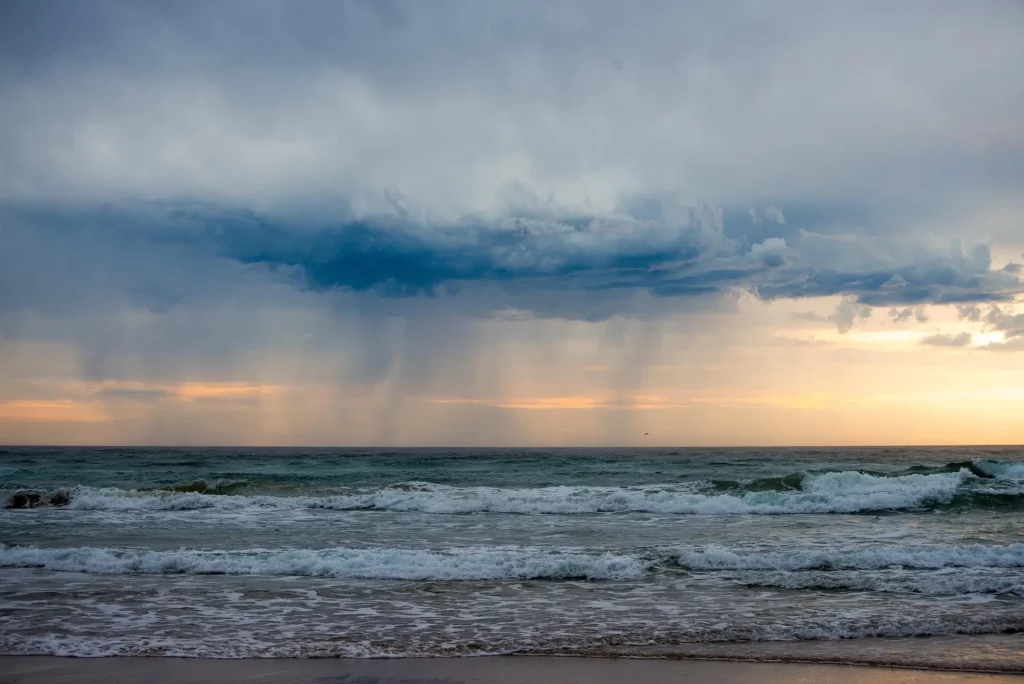
More than you’d think. My gear is weather-sealed and I carry a full rain kit to every outdoor wedding. Light rain during portraits isn’t a problem. It’s actually one of my favorite conditions to shoot in. The atmosphere it creates reflections on wet sand, diffused light, that particular moodiness doesn’t happen on a clear sunny day.
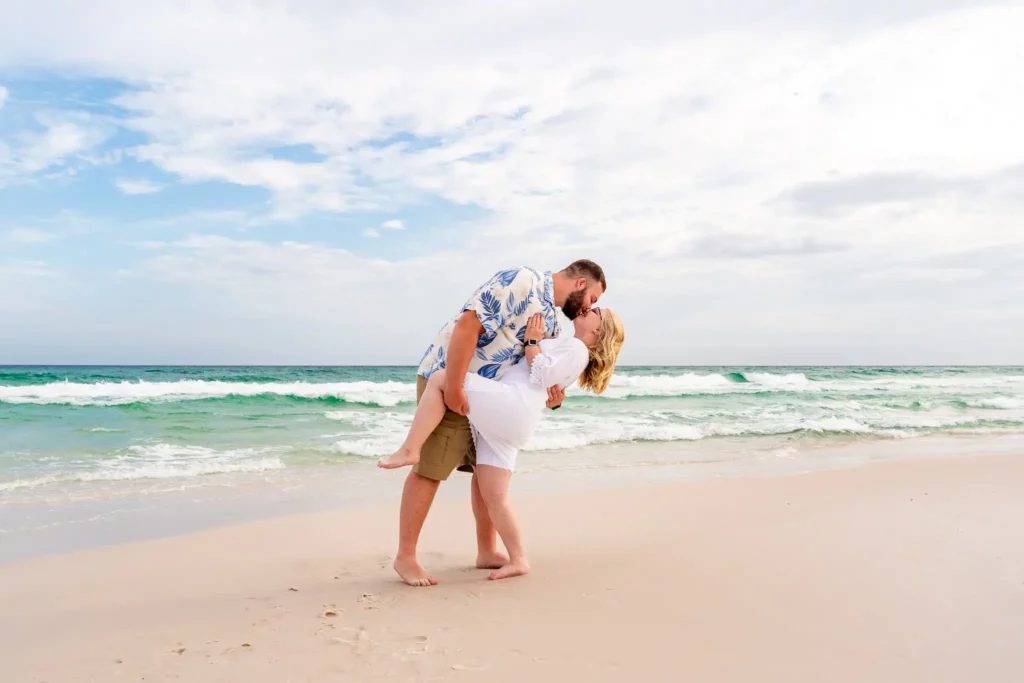
What makes overcast light technically better for portraits is straightforward: no harsh shadows, no squinting, no blown-out highlights from direct sun. In my experience, couples who get married on a cloudy day often end up with more flattering portraits than the ones who had a picture-perfect sunny afternoon. The outdoor wedding photography guide goes deeper on how lighting conditions affect your photos throughout the day.
What I won’t do is stand in an open field holding metal equipment when there’s lightning nearby. That’s the line. Lightning is a safety issue, not a gear issue. When lightning is in the area, we shelter and wait it out. Most storms clear within 30-60 minutes. We adjust the timeline and keep going.
What Do Rainy Wedding Photos Actually Look Like?
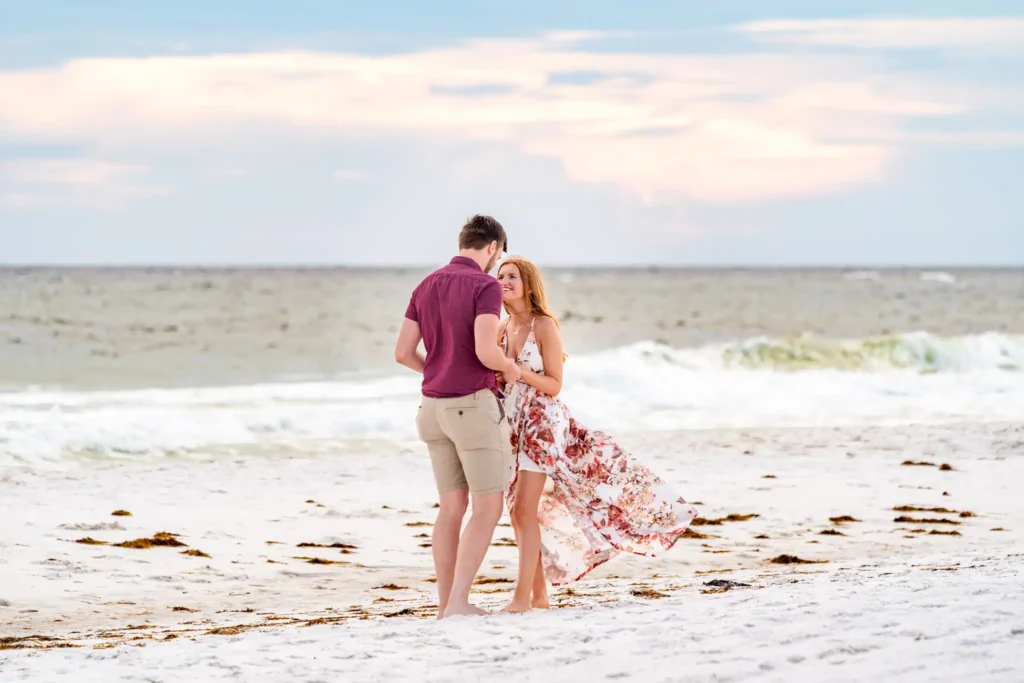
Beautiful. That’s the honest answer. Some of the strongest images I’ve made were on overcast or lightly rainy days. The light is soft and even. Colors read richer and more saturated. And when couples stop tracking the sky and just focus on each other, something completely genuine happens in the frame.
I’ve found that the couples who decide in advance that rain won’t determine how they feel about their wedding day are the ones who look most like themselves in the photos. That decision, made before a single drop falls, shows up on their faces. You can see it.
There’s a reason so many photographers actually prefer diffused cloud cover for portraits. It’s not spin. The physics of soft light just work. You can see examples of what Gulf Coast wedding photography looks like across different conditions in the wedding photography portfolio.
Beach Wedding Rain Plan Checklist
Before your wedding week, confirm you have each of these in place:
- [ ] Backup covered or indoor venue identified and reserved (not just discussed)
- [ ] Venue coordinator knows the backup plan and has keys or access
- [ ] Tent rental booked if outdoor reception is planned
- [ ] All vendor contracts reviewed for weather delay and location-change flexibility
- [ ] Guest communication plan established (wedding website note, day-of text coordinator)
- [ ] Ceremony time chosen with weather patterns in mind (morning or late evening)
- [ ] Designated point person for day-of weather decisions
- [ ] Photographer briefed on backup ceremony location and timeline buffer
- [ ] Wedding weather insurance purchased (at least 14-15 days before the event)
- [ ] 72-hour and 24-hour decision checkpoints established with your planner or coordinator
- [ ] Backup venue has a signed contract, not just a verbal hold
Checking these off before your wedding week means rain stops being something to dread. It becomes something you’re simply ready for.
Frequently Asked Questions
What if it rains on my Gulf Coast wedding day?
A passing shower is the most likely scenario. Most Gulf Coast summer storms last 30-60 minutes then clear (NWS, 2024). With a backup space confirmed, a 15-30 minute timeline buffer, and a guest communication plan in place, most ceremonies run close to schedule. A little rain rarely cancels a wedding that has a real plan behind it.
Is lightning dangerous at a beach wedding?
Yes. Lightning is the actual safety concern at outdoor beach events, not rain. Florida ranks first in the U.S. for cloud-to-ground lightning density. If lightning is in the area, move guests and vendors to a covered or indoor space immediately. Resume when the storm clears. No ceremony is worth the risk.
When should I call my backup plan?
Use a two-checkpoint system. At 72 hours out, check the forecast and put vendors on standby if a significant storm system looks likely. At 24 hours out, make the final call. If forecasts still show storm activity during your ceremony window, activate the backup plan, communicate to guests, and confirm all vendor logistics for the alternate location. Waiting until the morning of creates unnecessary chaos.
Ready to talk through how your wedding day weather plan affects your photography timeline? Contact Korbin to start planning and we’ll work through the details together.