Choosing a wedding photographer in Pensacola can feel overwhelming when every website looks beautiful at first glance. You don’t need to be a photographer to spot real quality you just need to know what to look for. This guide walks you through how to “read” a portfolio like a pro so you can tell the difference between a few lucky shots and consistent, reliable work you can trust with your wedding day.
How to Read a Wedding Photographer’s Portfolio:
Quick‑Glance Checklist
| What to Look At | What to Check | Questions to Ask Yourself | How a Strong Portfolio (Like KDH Weddings) Handles It |
|---|---|---|---|
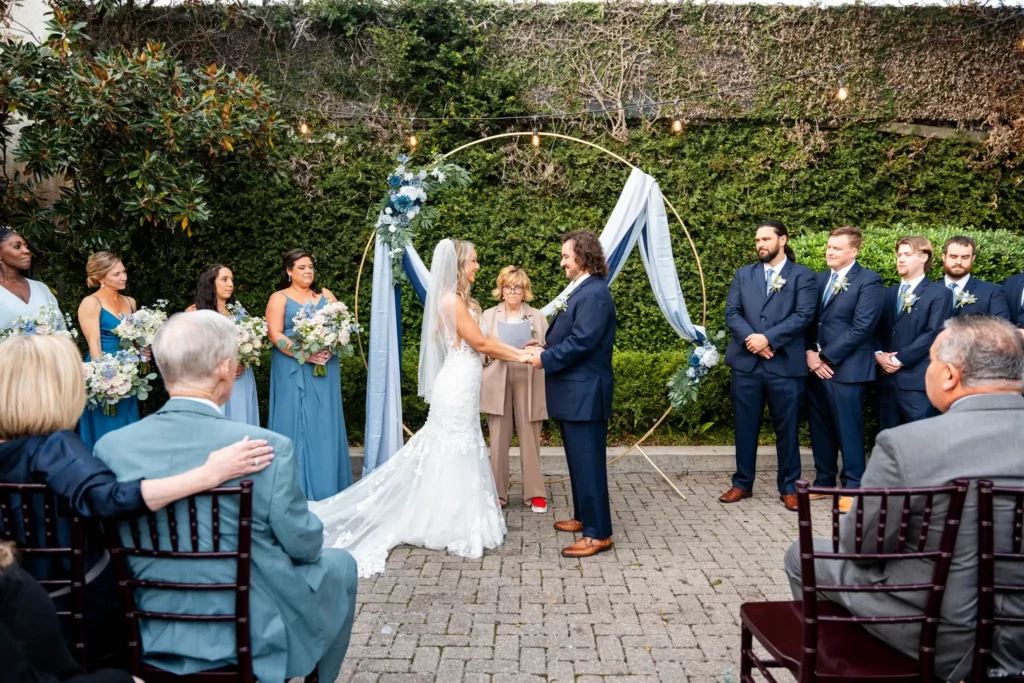
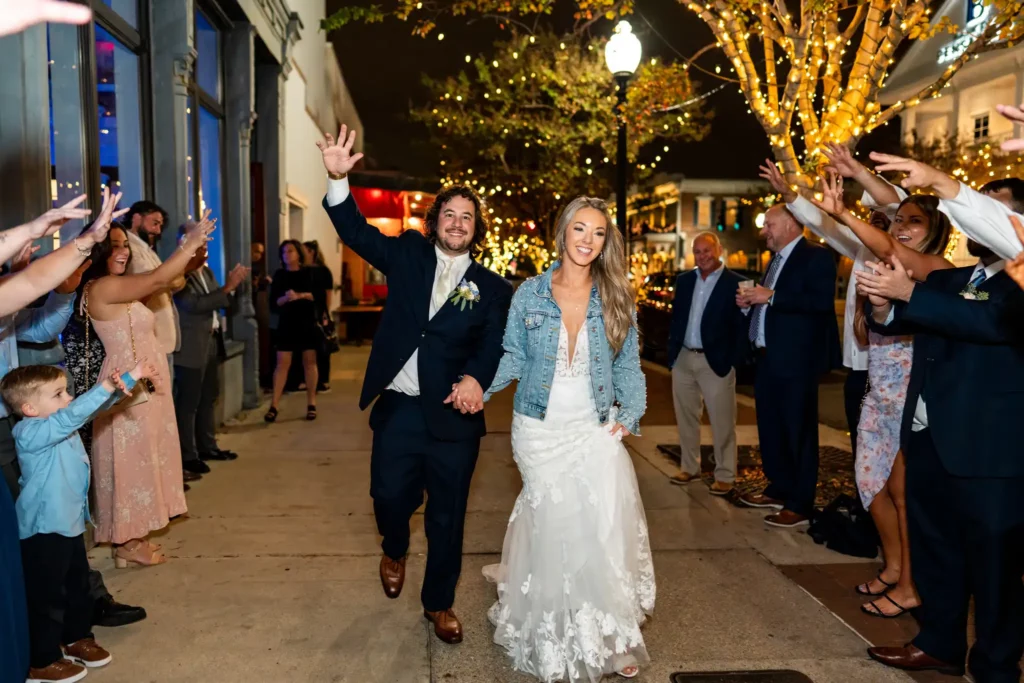
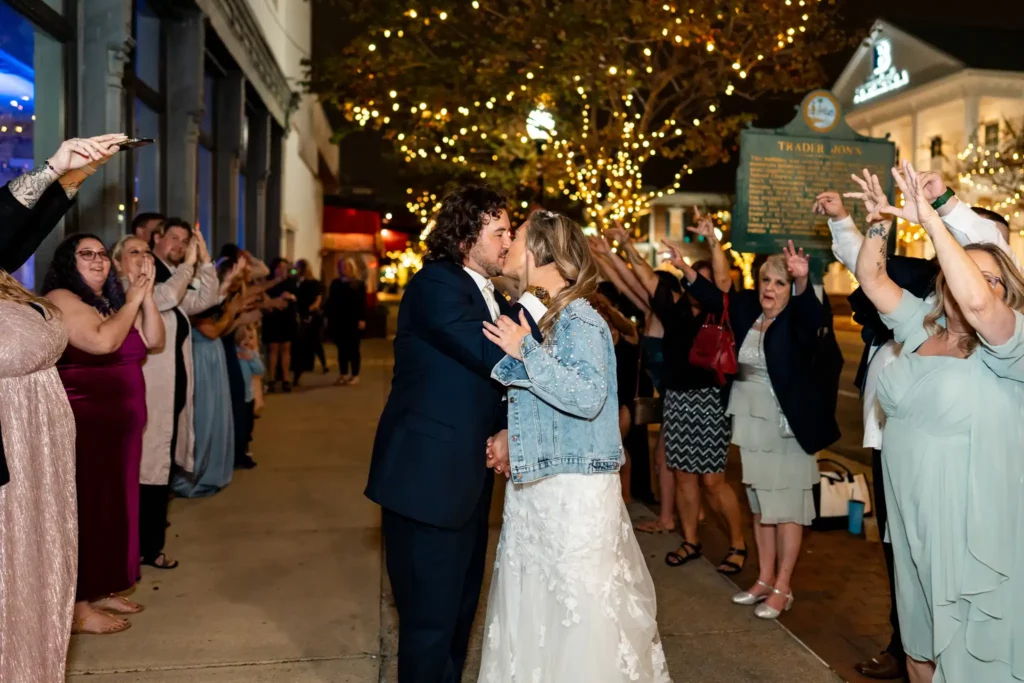
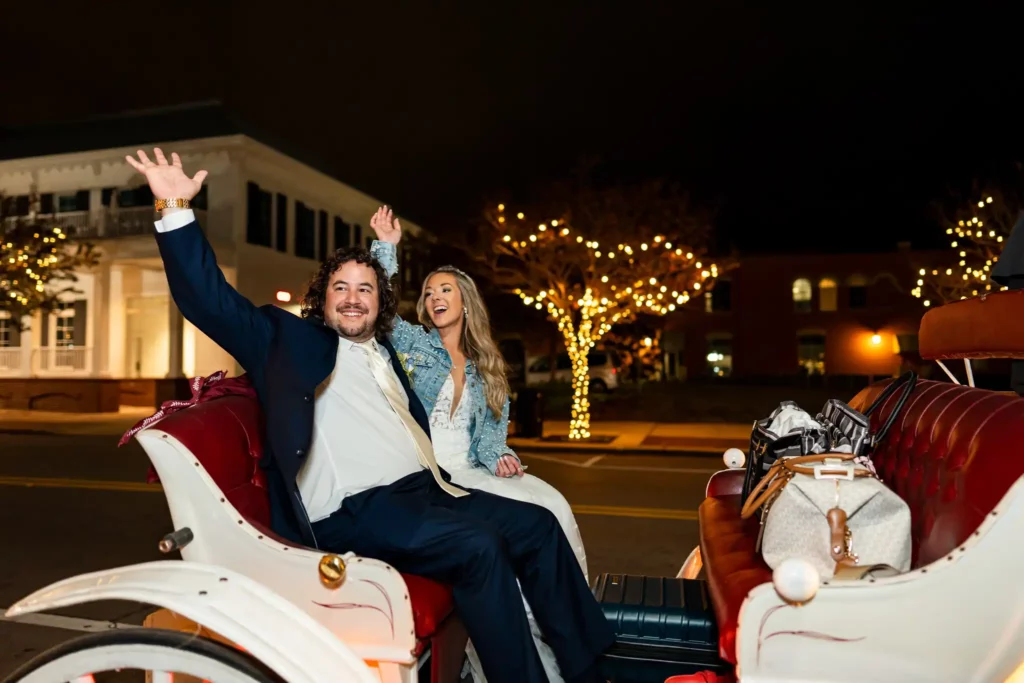
| 1. Full wedding, not just highlights | Look for full galleries or complete wedding stories, not only 10–20 “best of” images. | “Can I see this photographer’s work from getting ready through reception, not just portraits?” | Shows full‑day coverage: getting ready, ceremony, portraits, family, reception, and exit so you can see how the whole story is told. |
| 2. Consistency in all lighting | Review photos in bright sun, shade, indoors, and at night. | “Do images still look good in tough light, or only at golden hour?” | Handles mid‑day beach sun, indoor ceremonies, and dark receptions with clear, flattering images and consistent style. |
| 3. Skin tones and color | Check if skin tones look natural and if whites (dress) actually look white. | “Do people look like themselves, or overly orange, gray, or filtered?” | Keeps skin tones true and colors clean and timeless, aiming for a classic, cinematic look instead of heavy trends. |
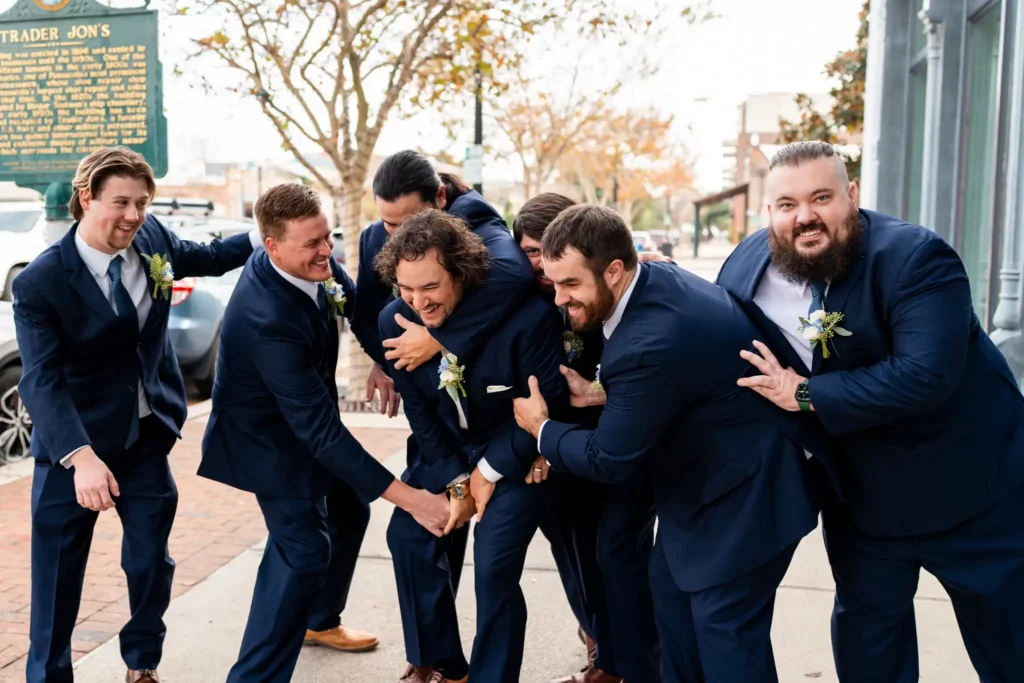
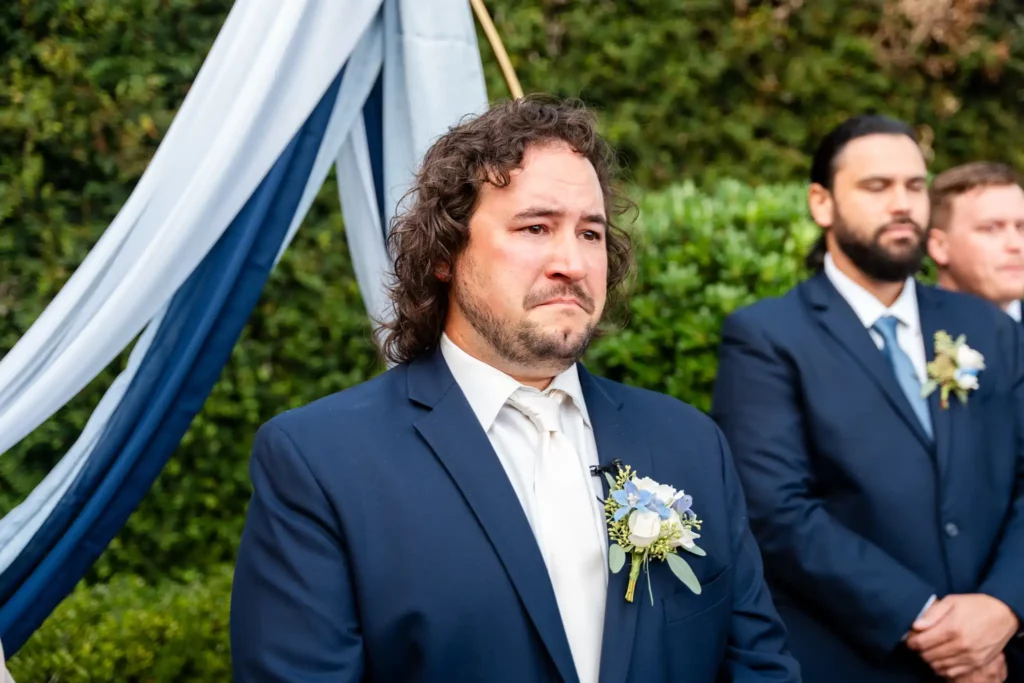
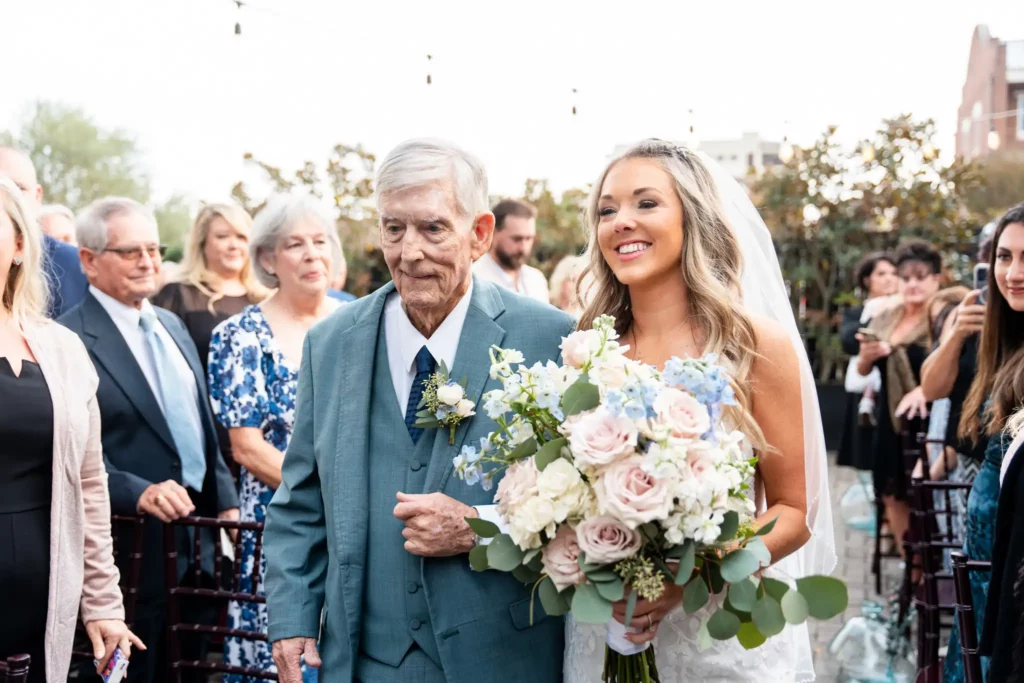
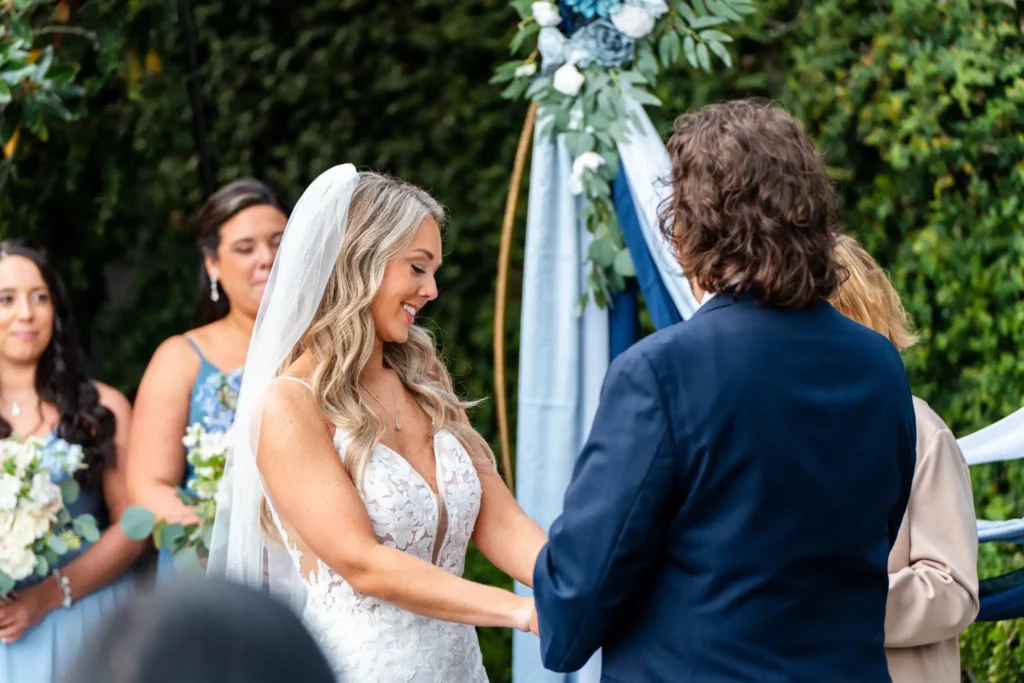
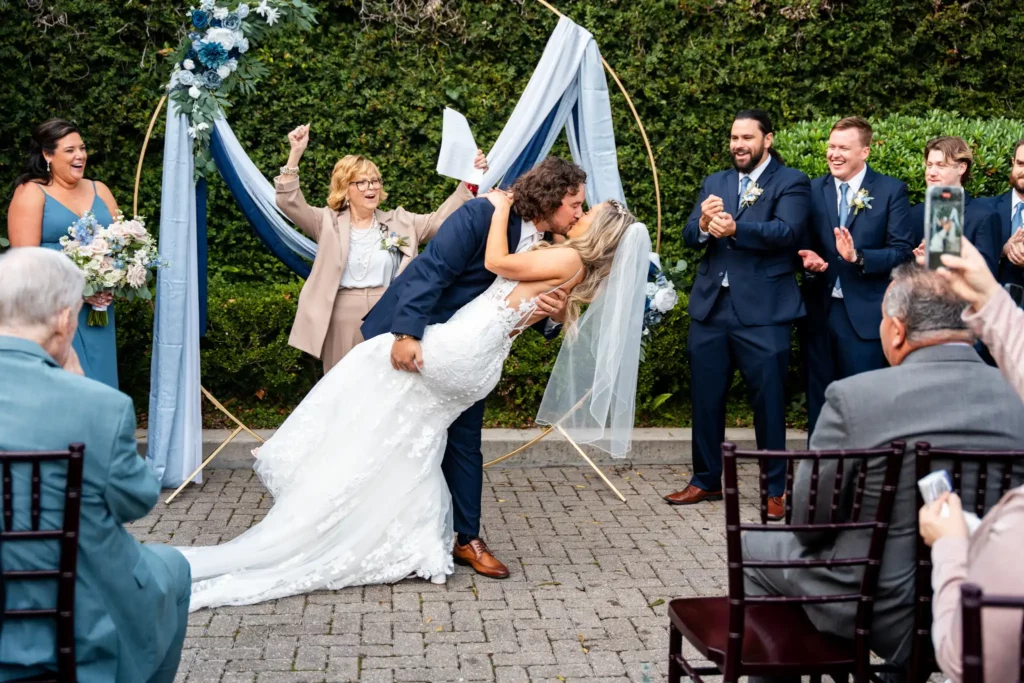
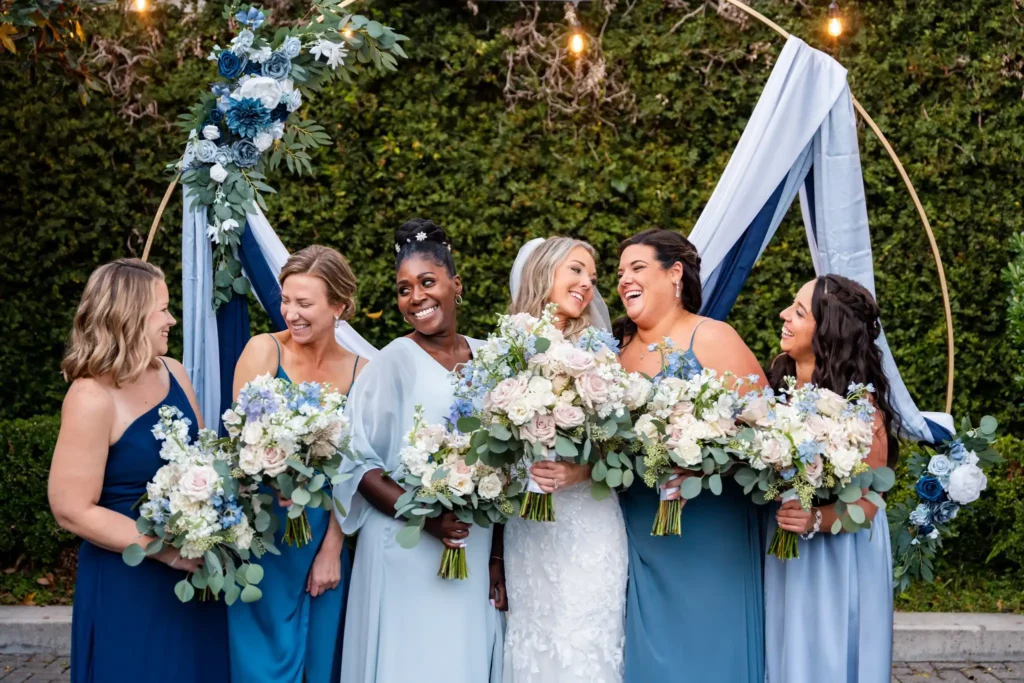
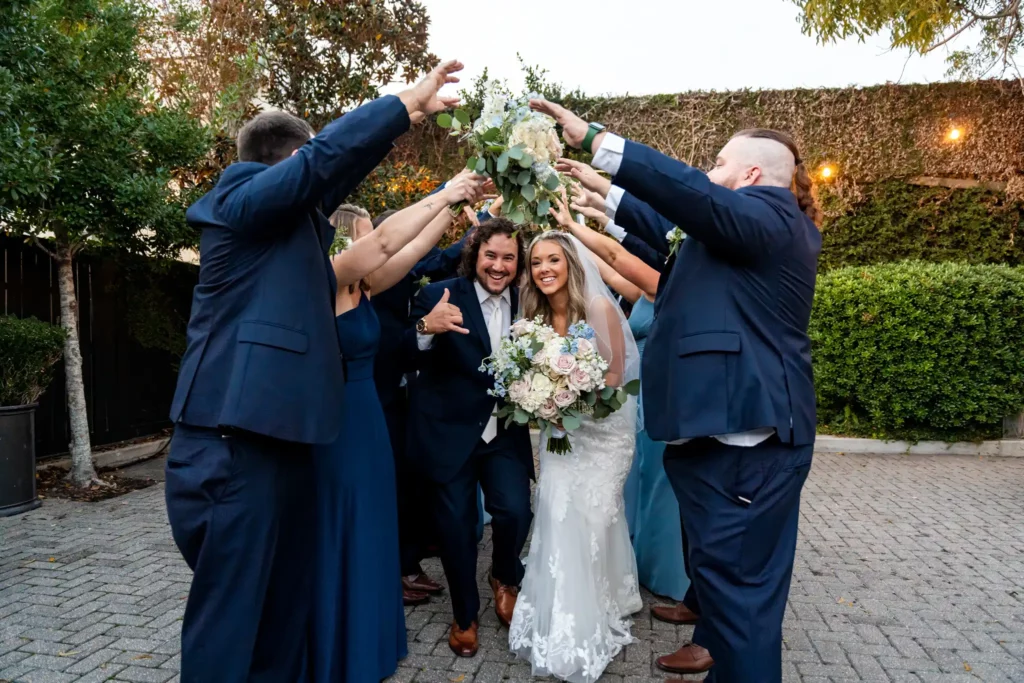
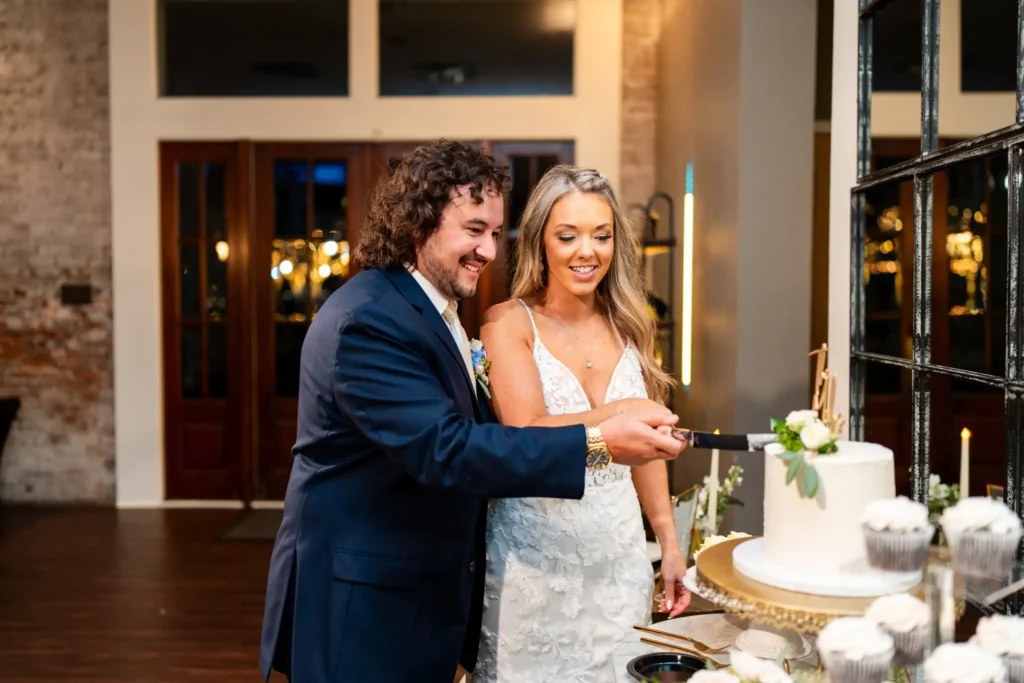
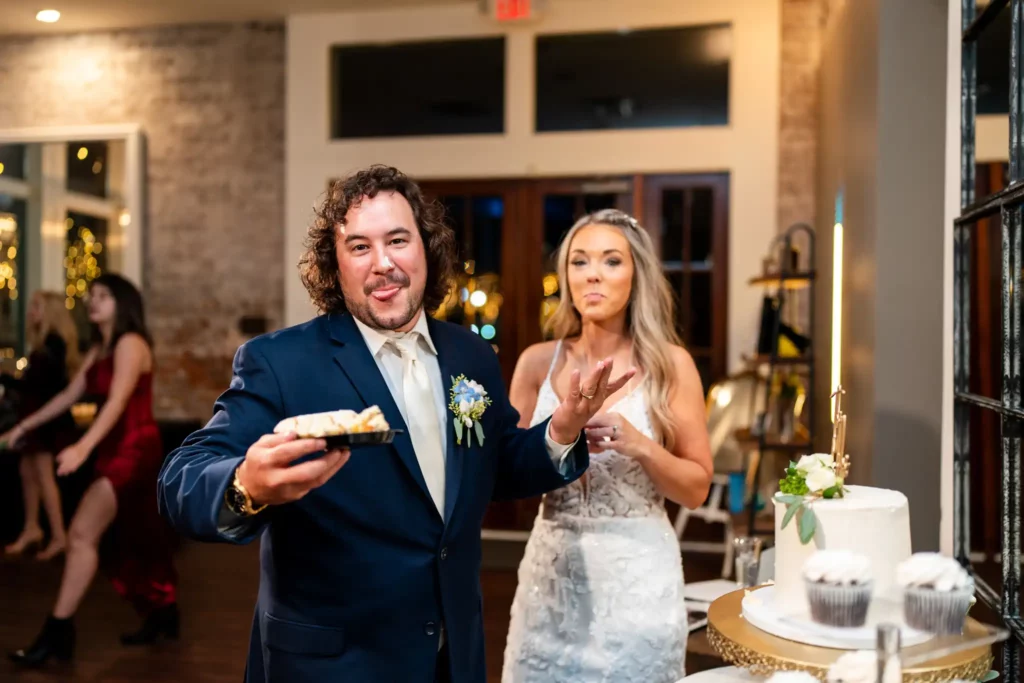
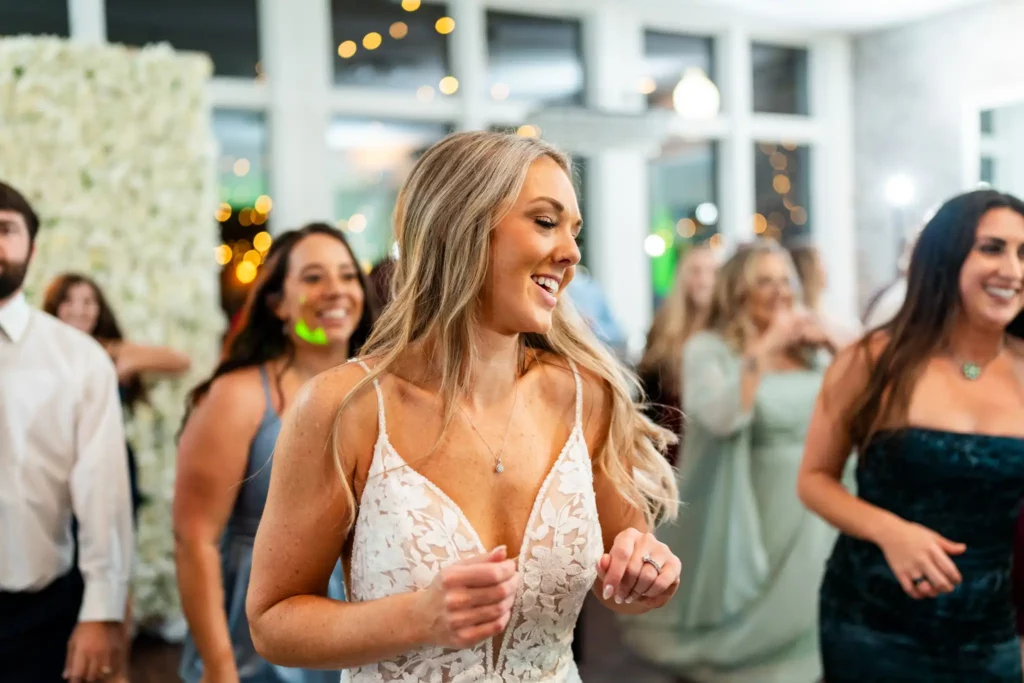
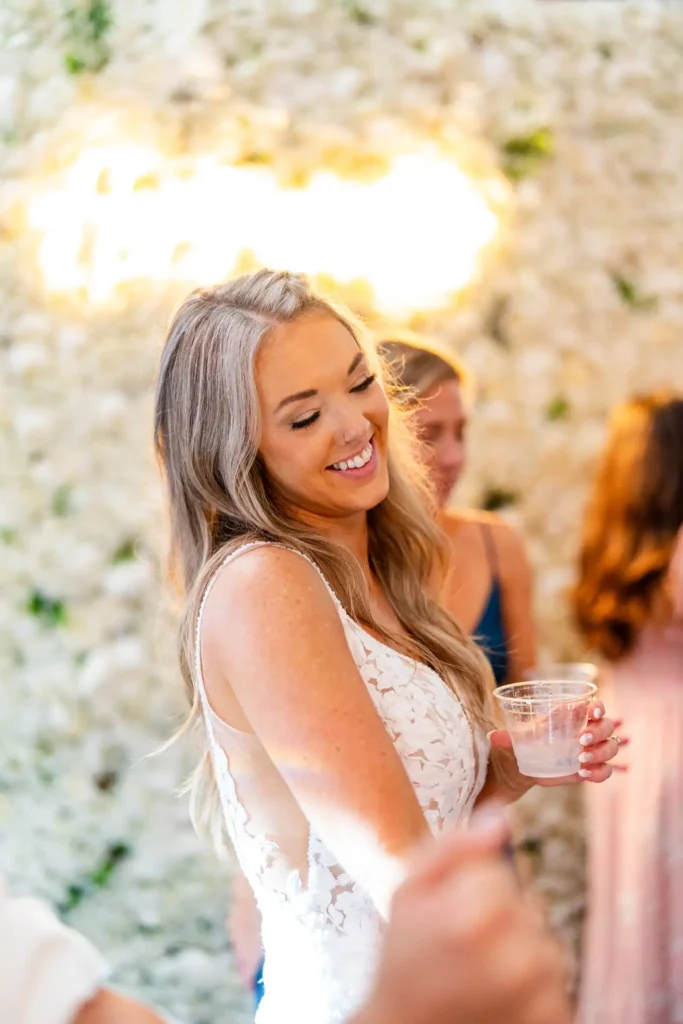
| 4. Expressions and emotion | Look closely at faces, not just locations and outfits. | “Do couples and guests look genuinely relaxed and happy?” | Shows real laughter, tears, hugs, and connection; couples look comfortable and natural rather than stiff or over‑posed. |
| 5. Storytelling from start to finish | Scroll a full wedding in order. | “Can I follow the day from quiet getting‑ready moments to big reception energy?” | Full galleries read like a visual story, with details, moments, and transitions that let you “relive” the day. |
| 6. Variety of weddings and couples | Scan for different venues, weather, and types of couples. | “Can I imagine myself in these photos, even if my wedding is a bit different?” | Includes beach, downtown, indoor, and outdoor weddings with different personalities, sizes, and conditions to show adaptability. |
| 7. Handling real‑life challenges | Notice any “imperfect” situations (rain, wind, small spaces, crowds). | “Does the photographer still create flattering, calm images when things aren’t perfect?” | Uses creative angles, backup spots, and smart posing to keep photos beautiful even with bad weather, tight rooms, or big groups. |
| 8. Composition and details | Look at how images are framed and whether important details are included. | “Are important moments centered and clean, or cluttered and distracting?” | Frames key moments clearly, watches for background distractions, and includes details like rings, florals, and décor in the story. |
| 9. Editing style over time | Notice whether the style feels trendy or timeless. | “Will I still love this editing in 10–20 years?” | Aims for a consistent, classic style (not heavy filters) so your gallery ages well and feels true to the day. |
| 10. Reviews vs. portfolio | Read a few reviews next to the images. | “Do reviews describe the same experience I see in the photos?” | Reviews mention calm direction, timeline help, and natural images exactly what you see in the galleries, so words and work match. |
Look Beyond the Highlight Reel
Most couples only see the best 20–30 images on a homepage or Instagram feed. Those are important, but they don’t tell the whole story.
What to check:
- Look for complete galleries or full wedding stories, not just hero images.
- Make sure you see: getting‑ready moments, ceremony, family formals, portraits, reception, and dance floor.
- Ask yourself: “Would I be happy if my whole day looked like this, not just the best five photos?”
How KDH Weddings handles it:
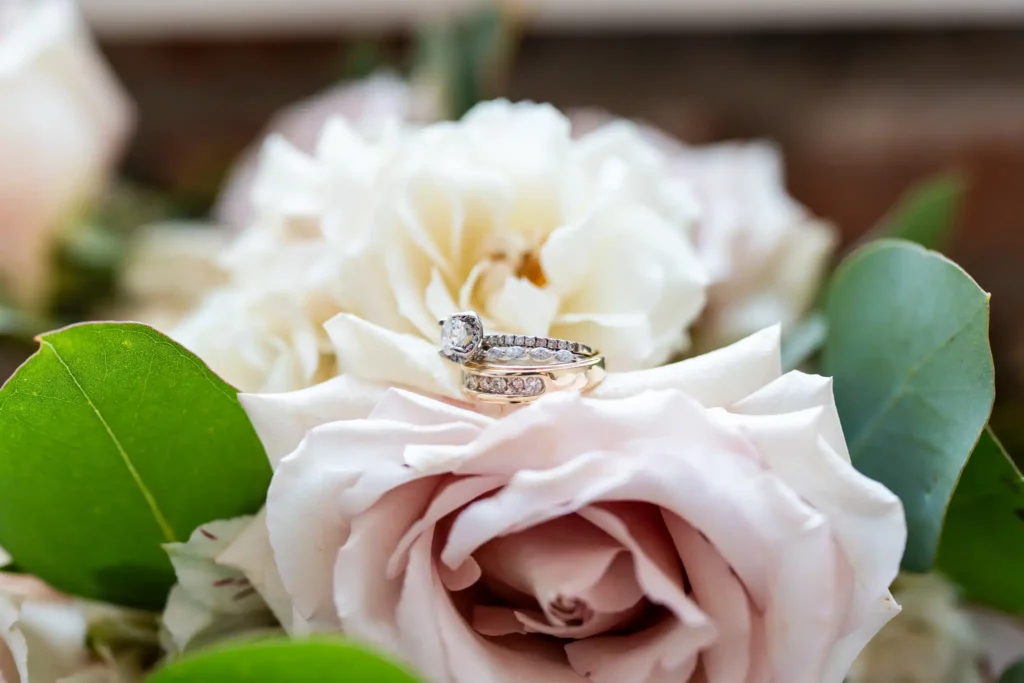
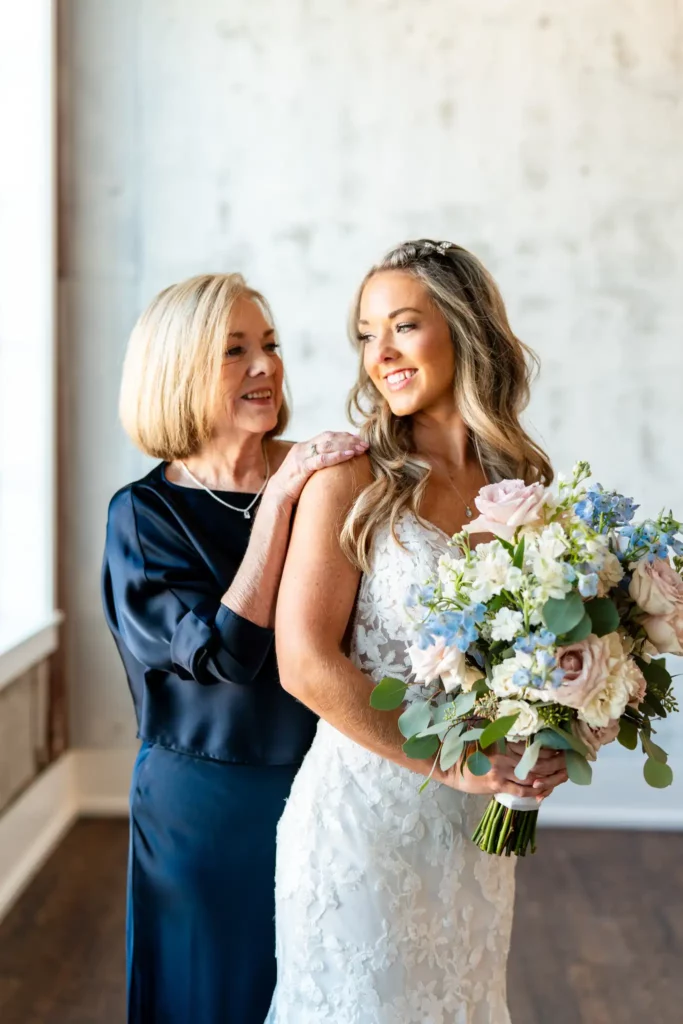
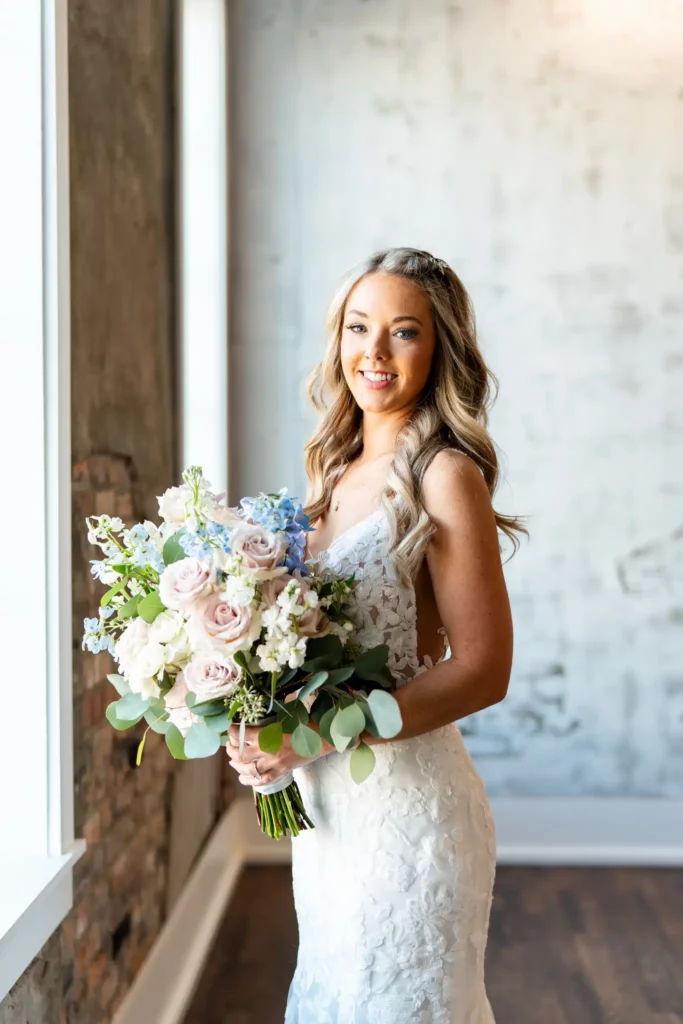
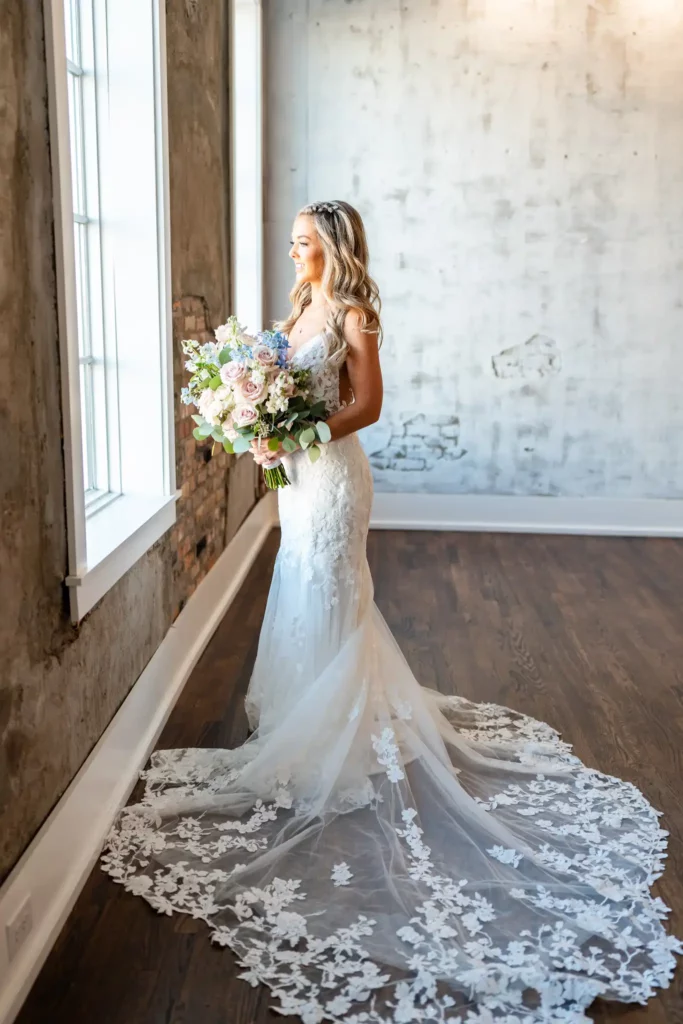
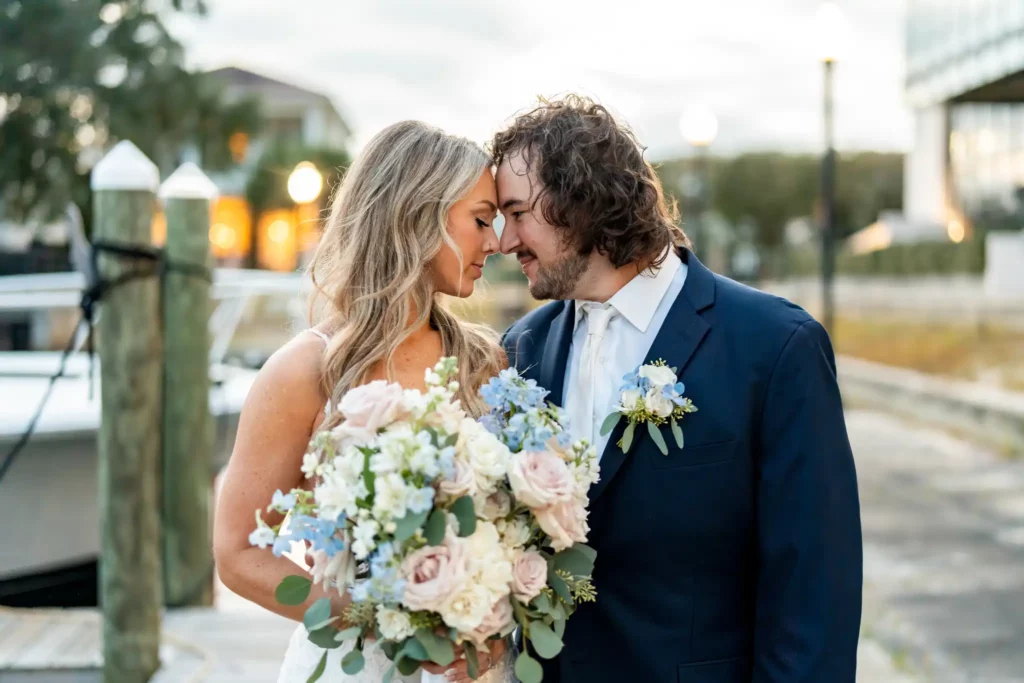
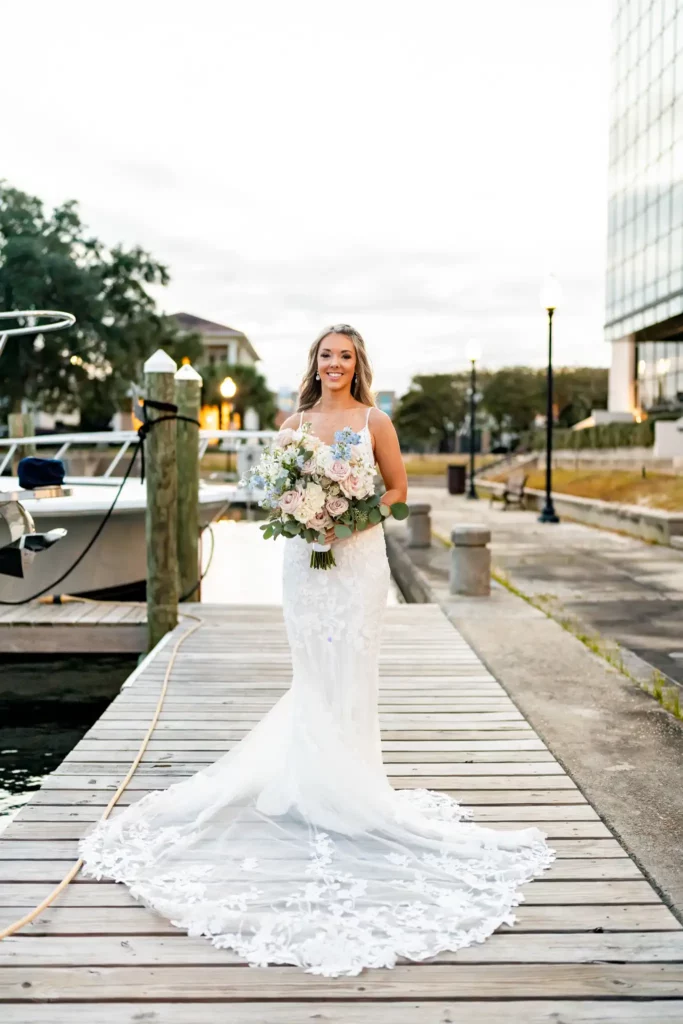
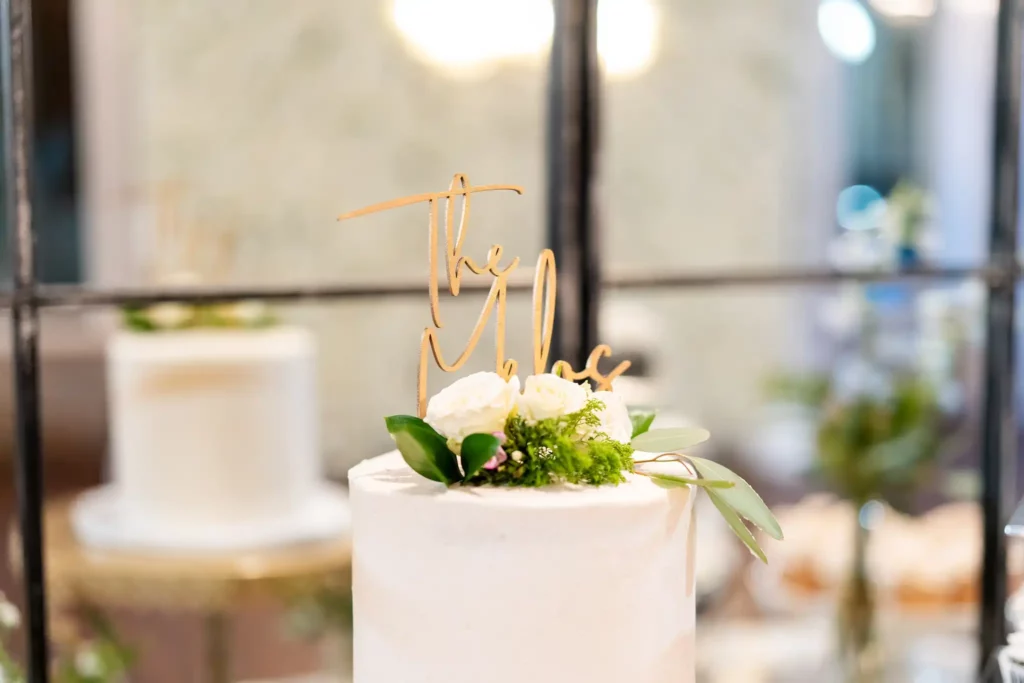
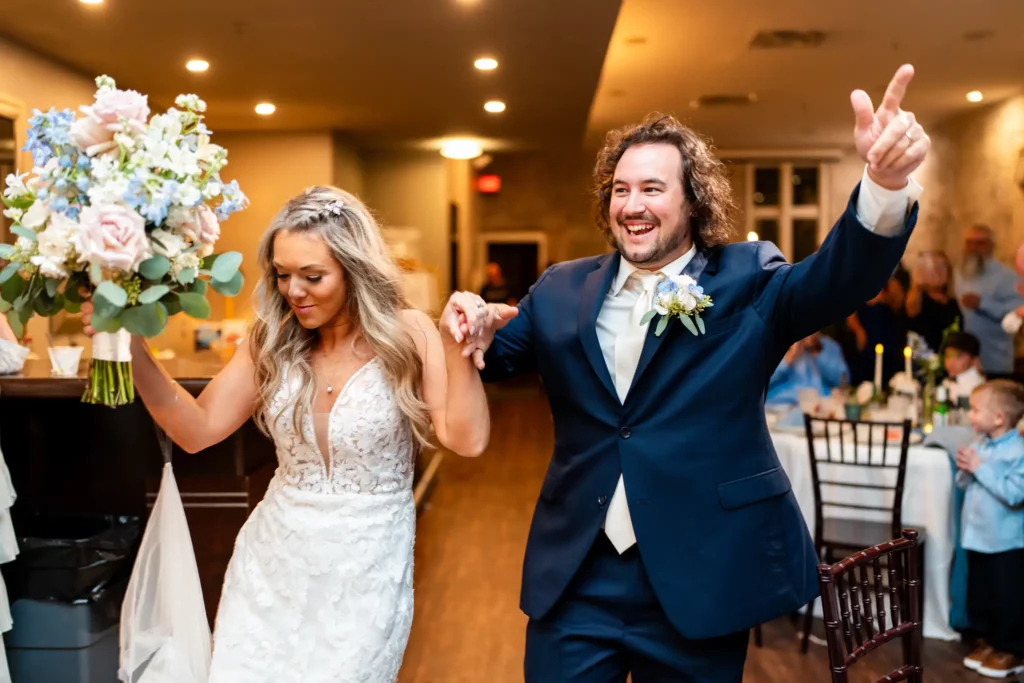
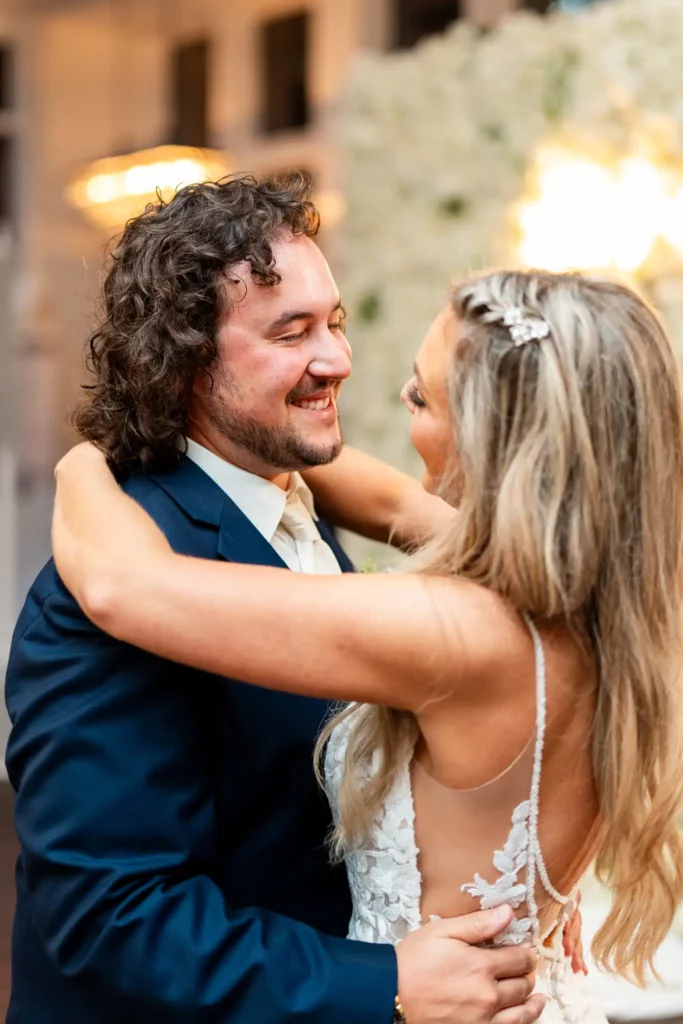
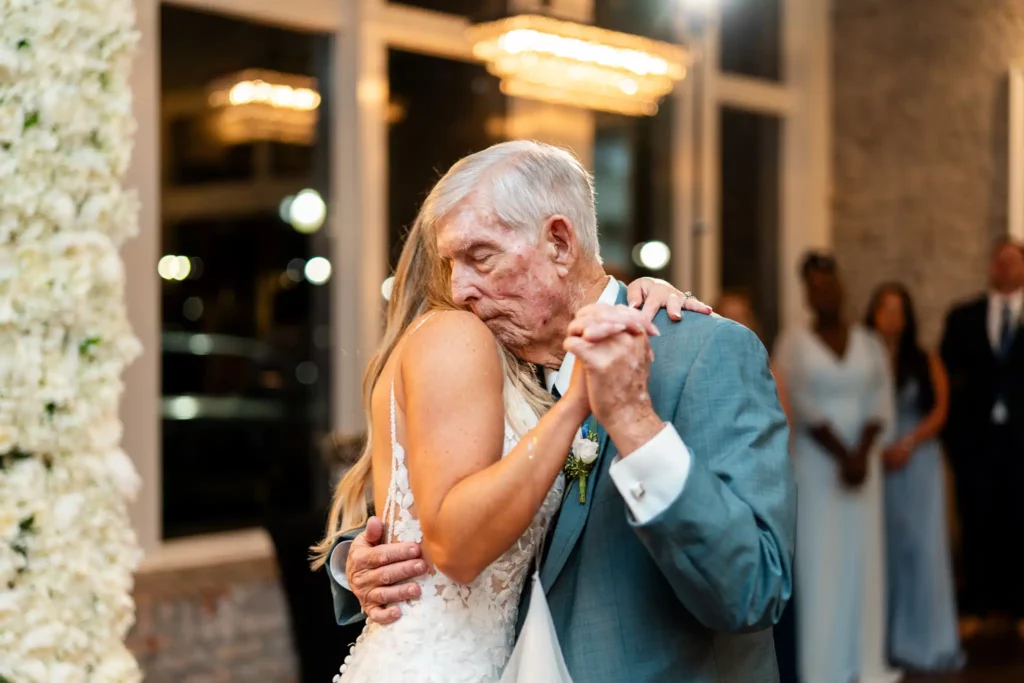
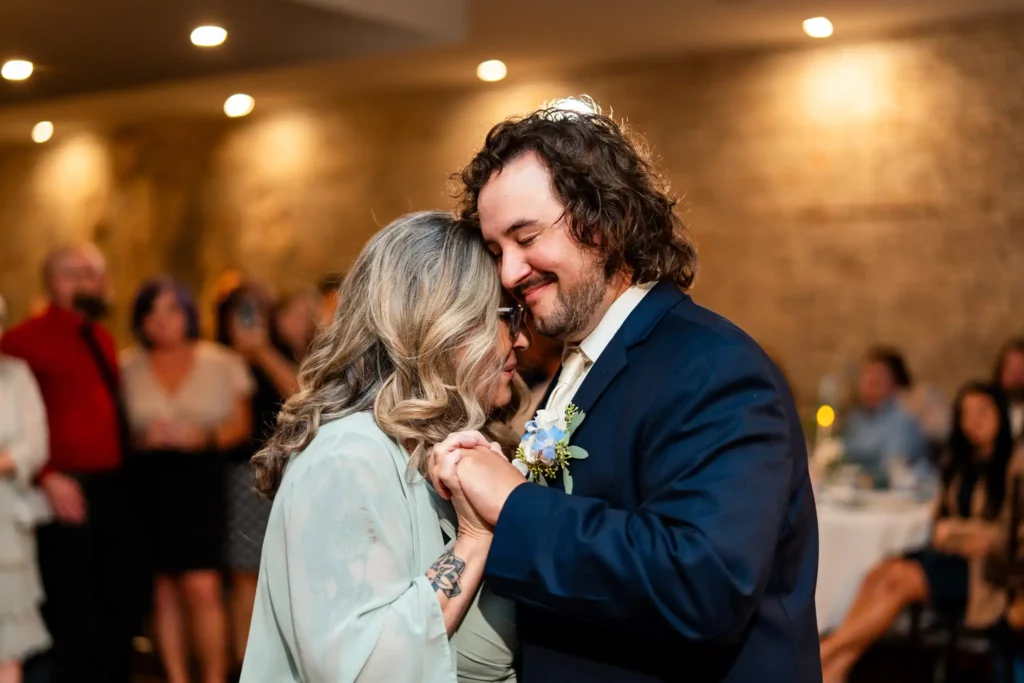
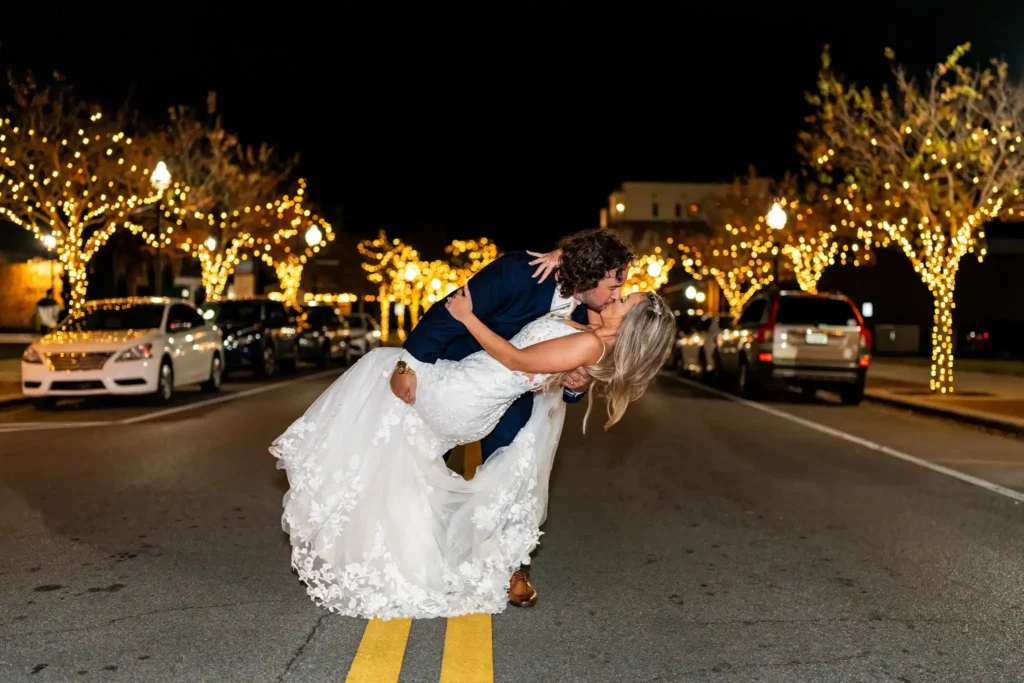
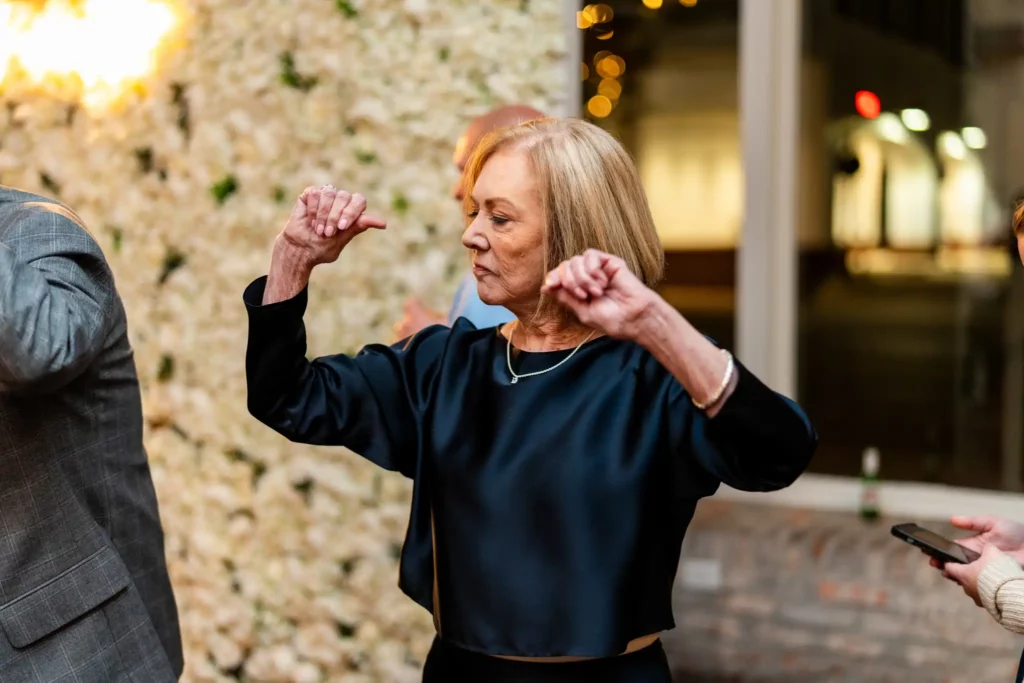
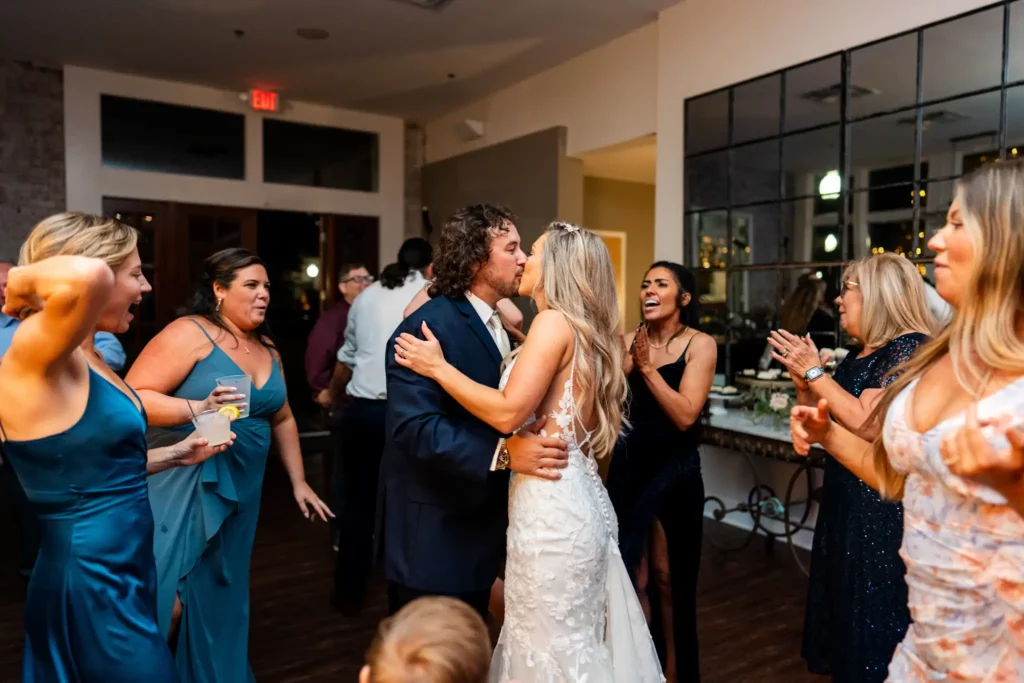
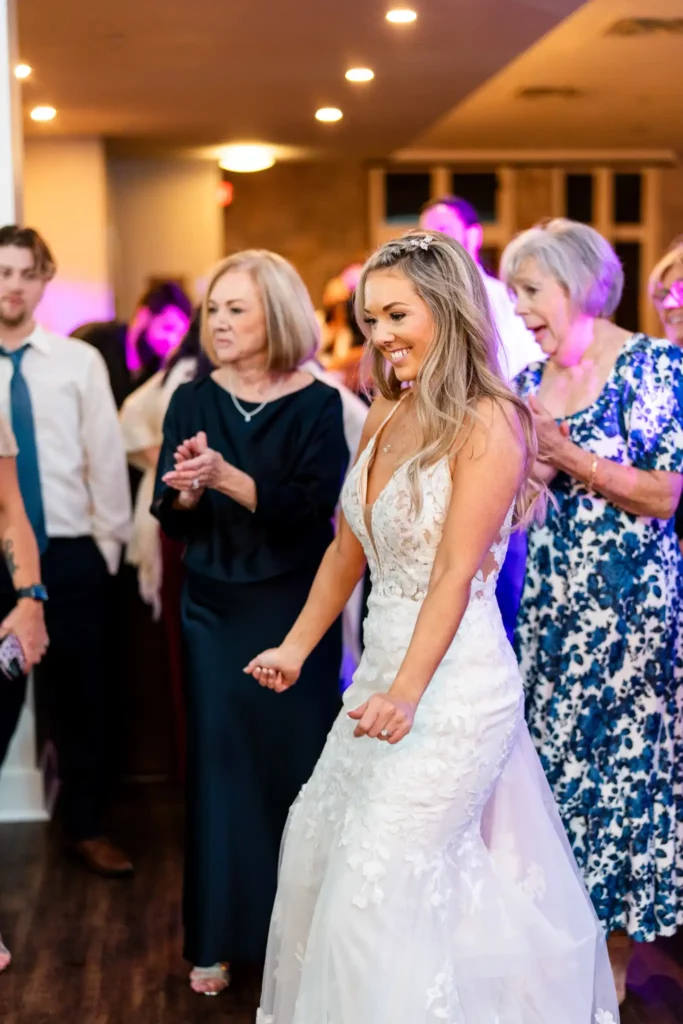
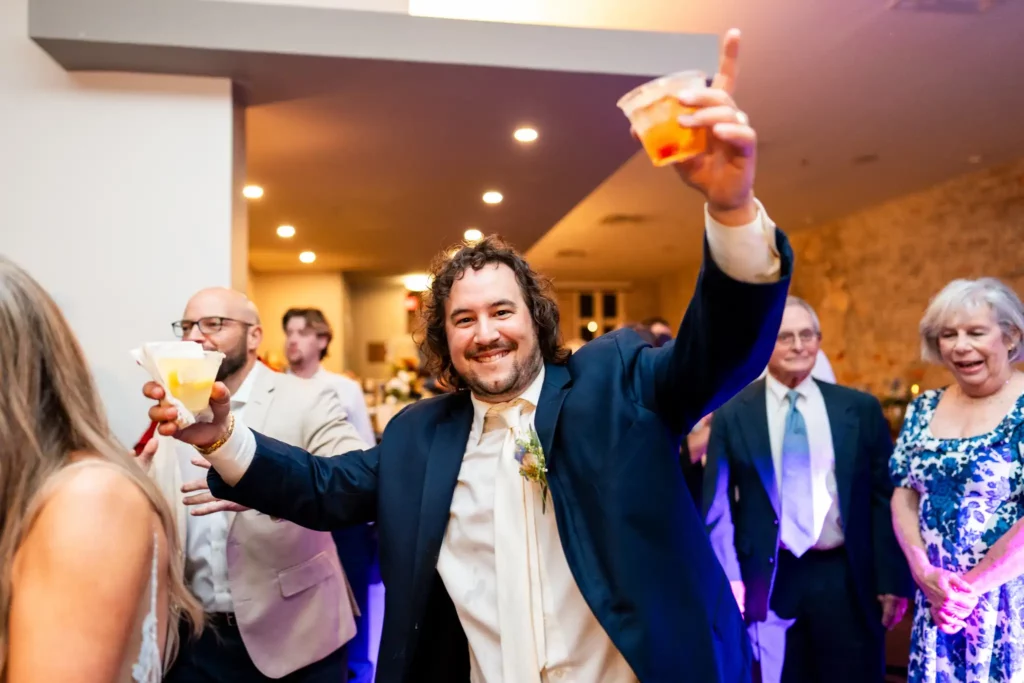
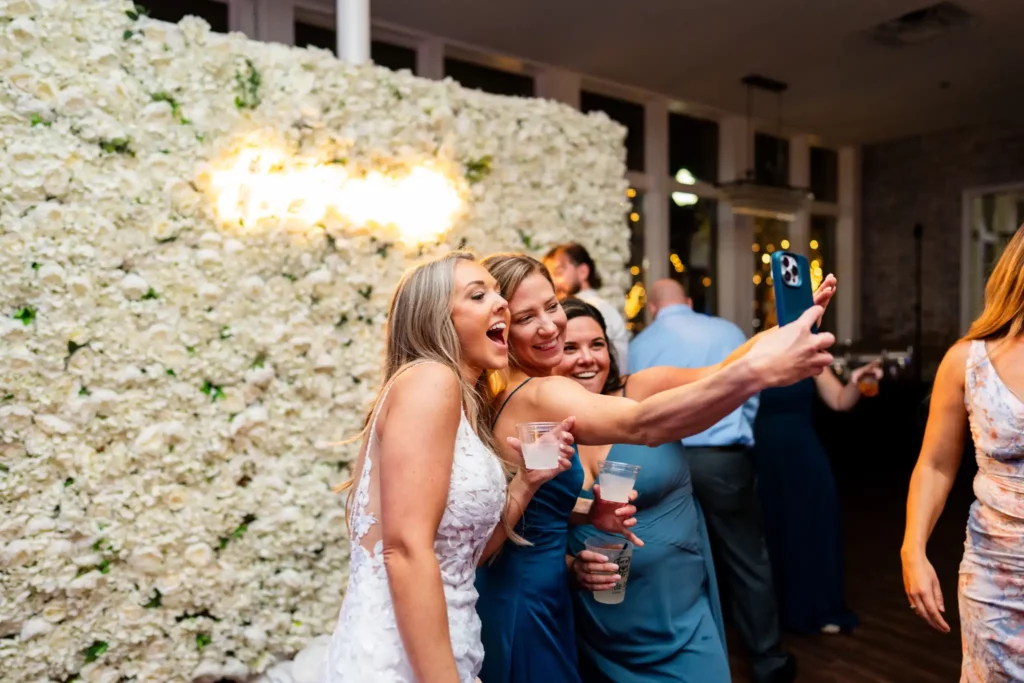
- The KDH Weddings portfolio is built to show full‑day stories, not just a few pretty portraits, so couples can see how coverage looks from start to finish.
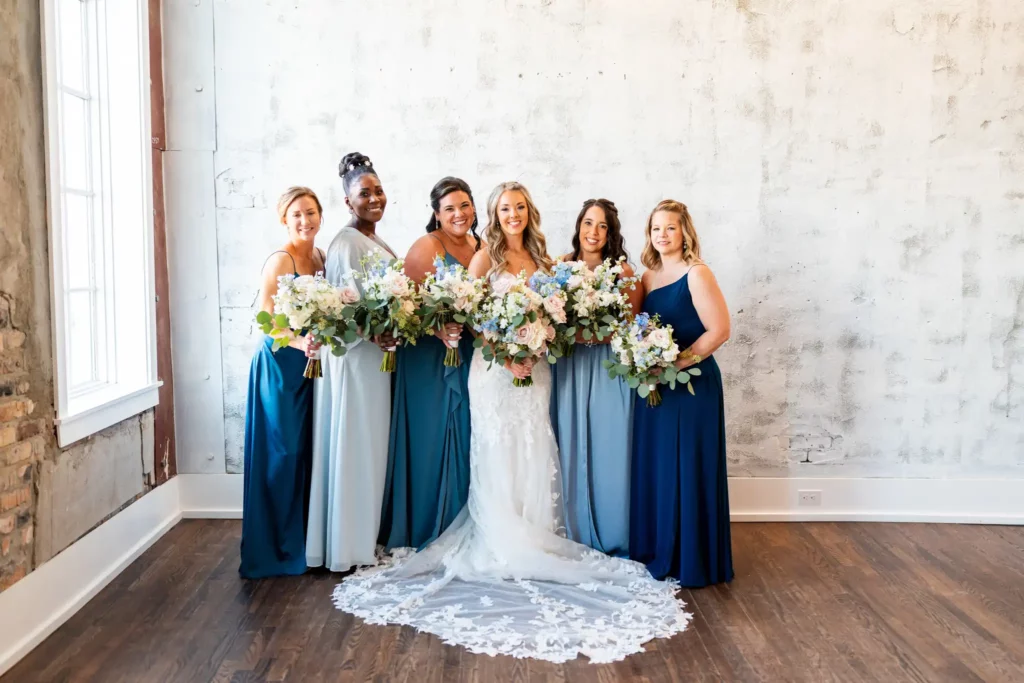
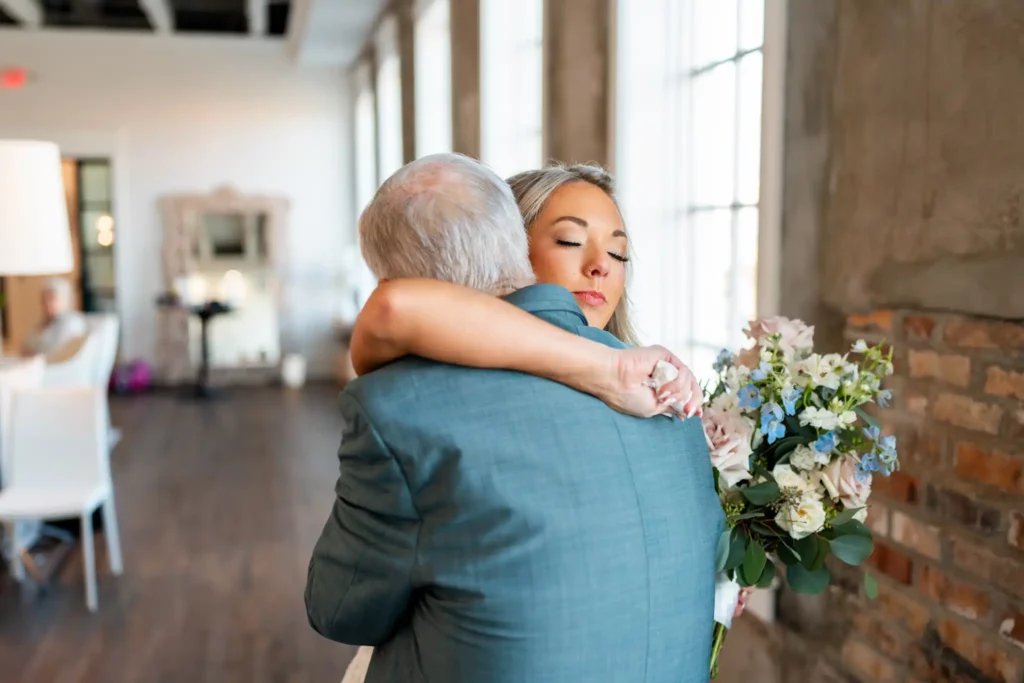
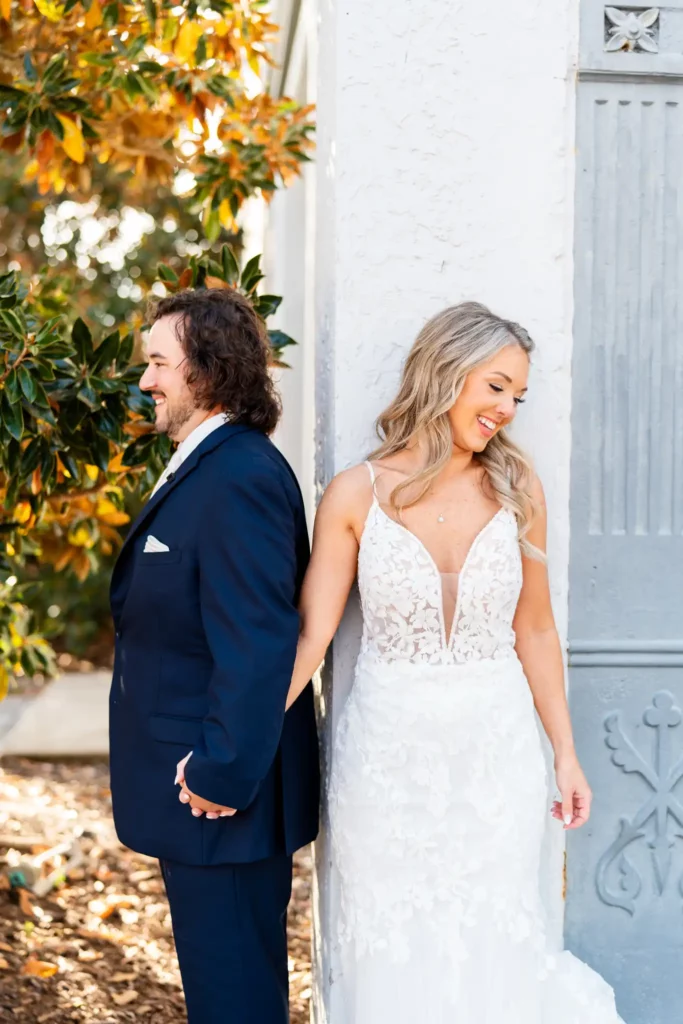
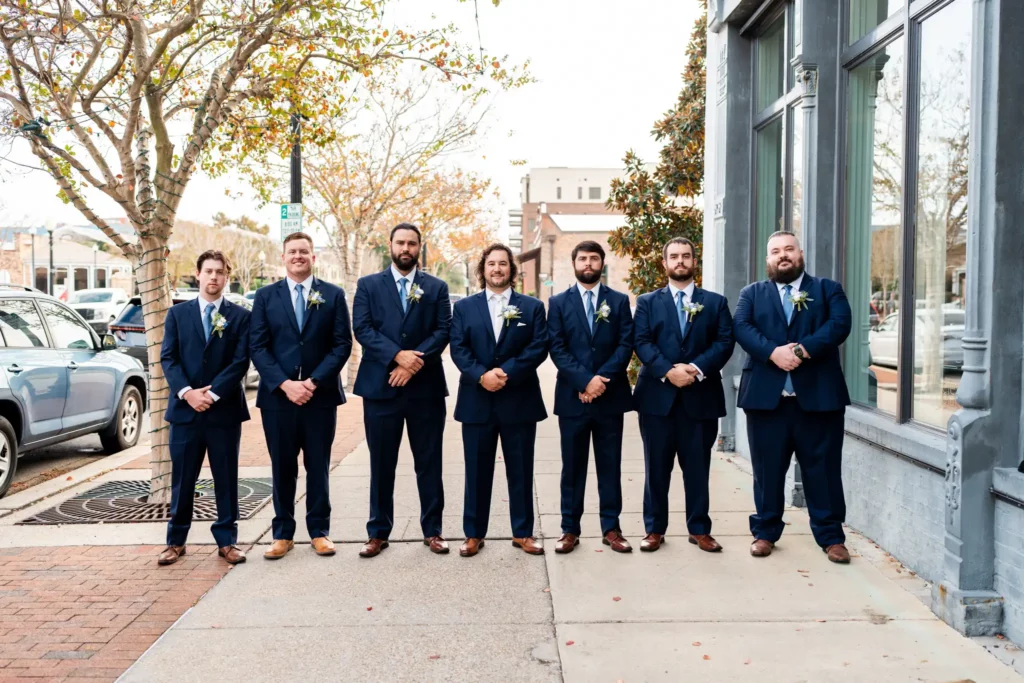
Check Consistency in Different Lighting
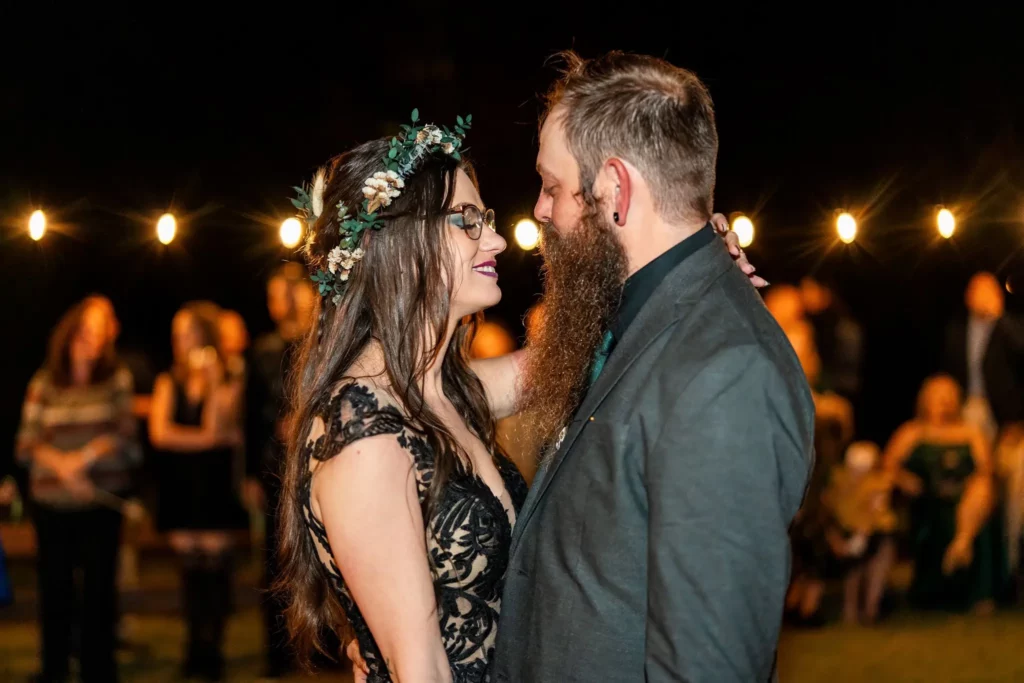
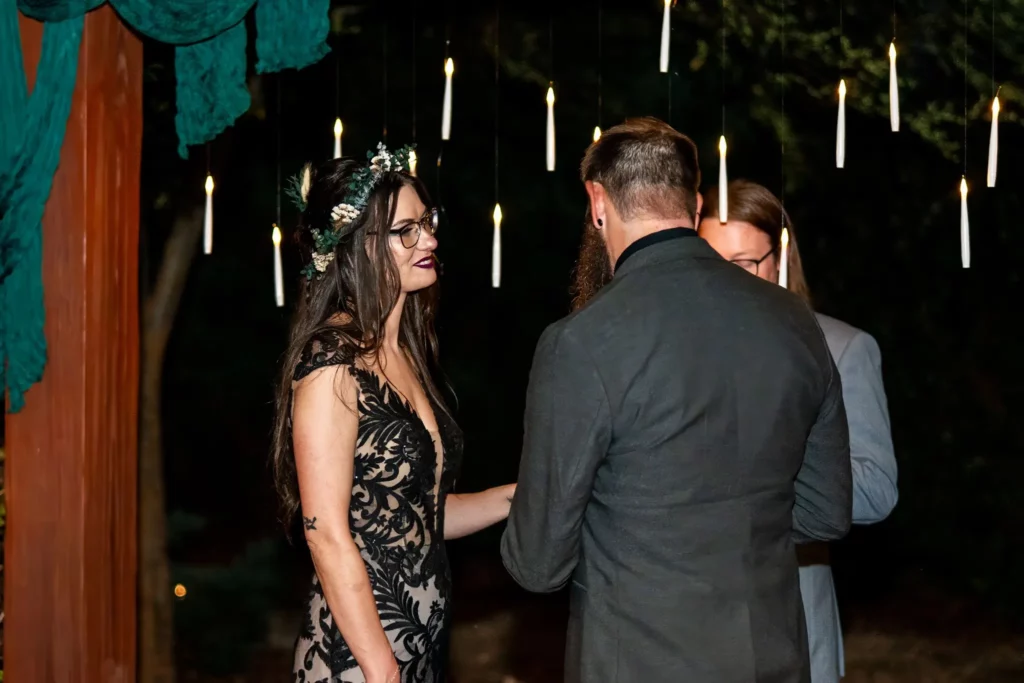
Anyone can get one great photo at golden hour. Great photographers deliver in every kind of light.
What to look for:
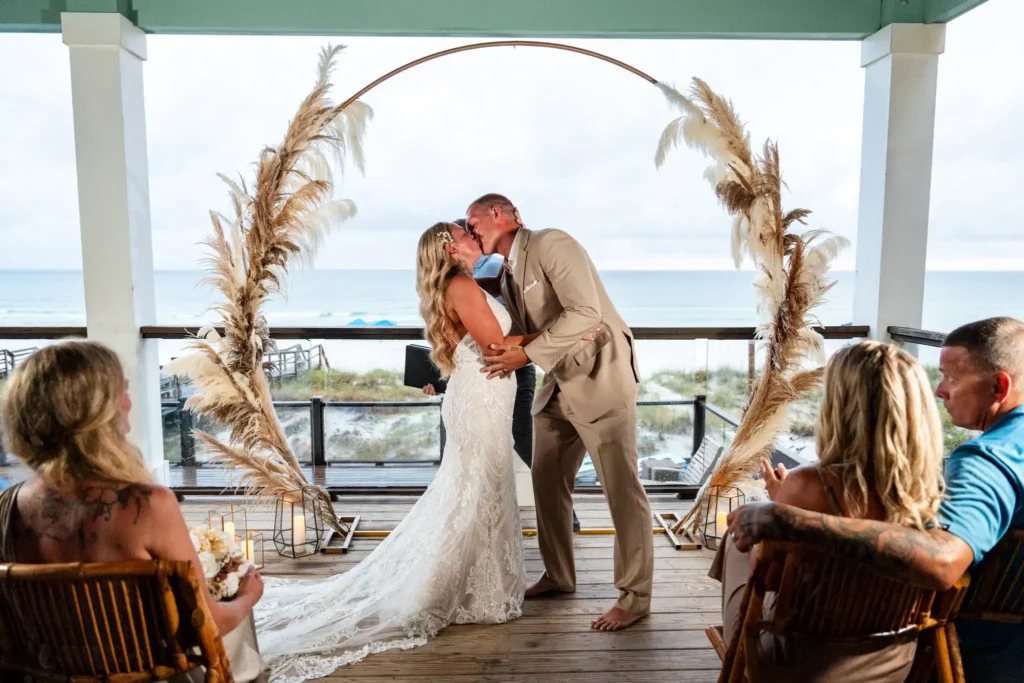
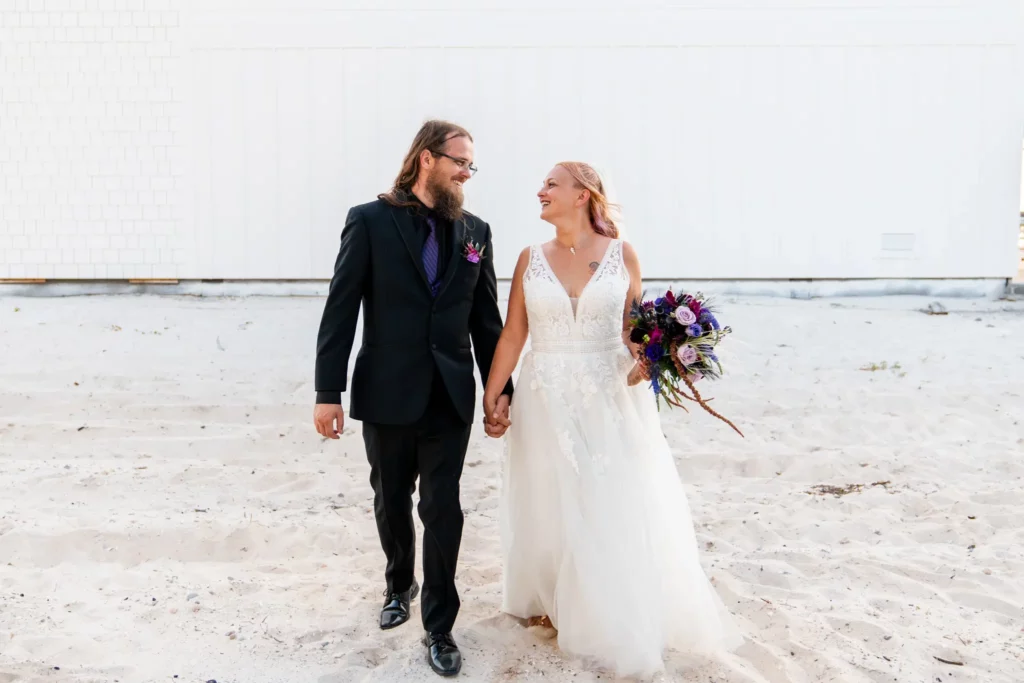
- Outdoor sun: Are mid‑day beach photos still flattering, or are faces squinty and blown out?
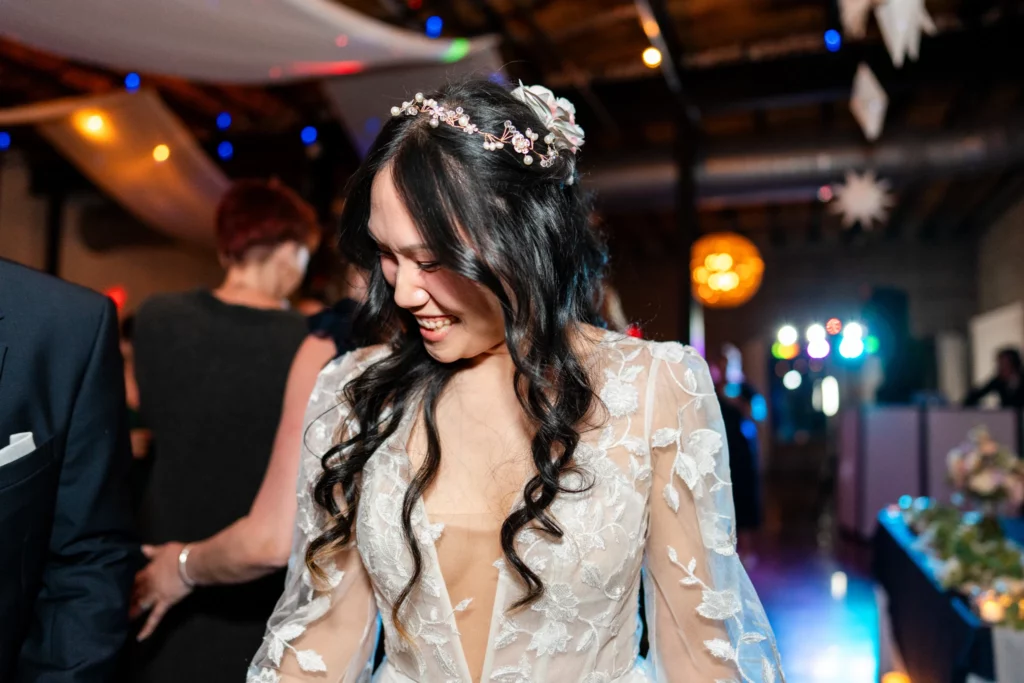
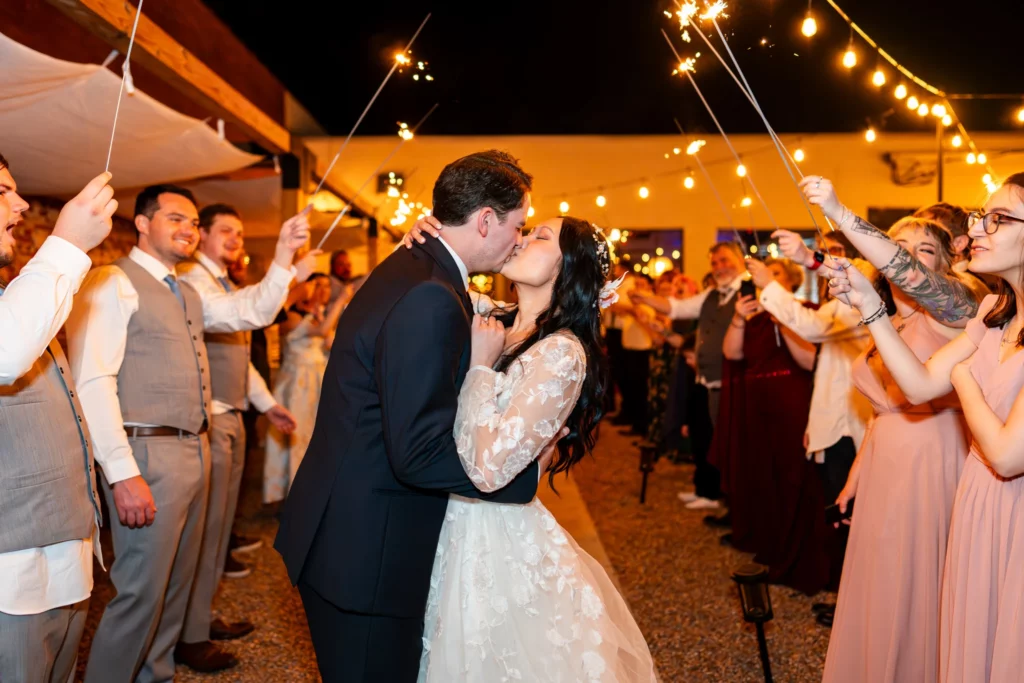
- Indoor and night: Are reception and indoor photos too dark, too orange, or grainy? Can you still see expressions clearly?
- Ceremony: Does the photographer handle mixed light (windows, spotlights, shade) without weird color shifts?
Questions to ask yourself:
- “Do these photos look consistently good in bright sun, shade, indoors, and at night?”
- “Would I be confident if my wedding had harsh sun or low light?”
How KDH Weddings thinks about it:
- The focus is on clean, true‑to‑life color and flattering light, whether it’s a beach ceremony at noon or a dim reception, so your photos feel consistent across the entire day.
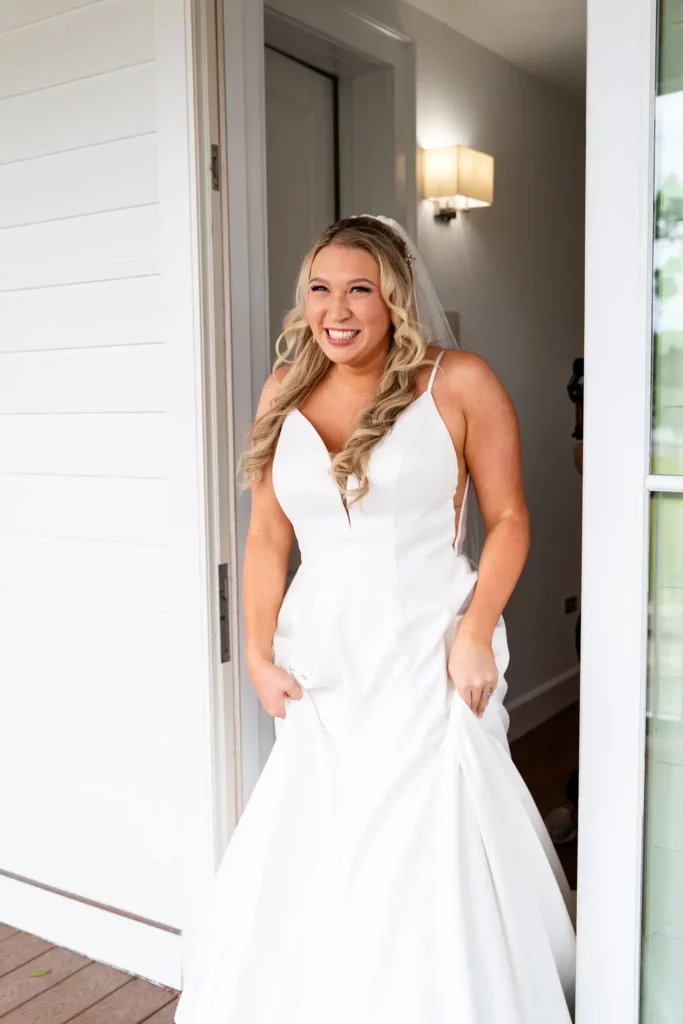
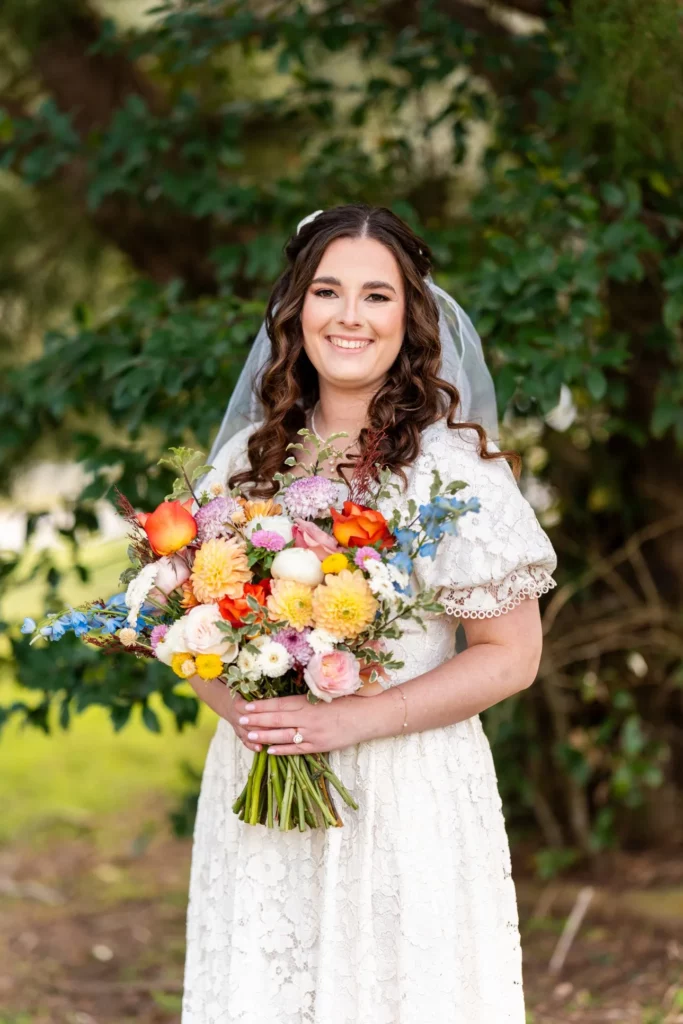
Pay Attention to Skin Tones and Color
Editing style is one of the easiest things to overlook and one of the most important for how you feel about your photos years from now.
What to notice:
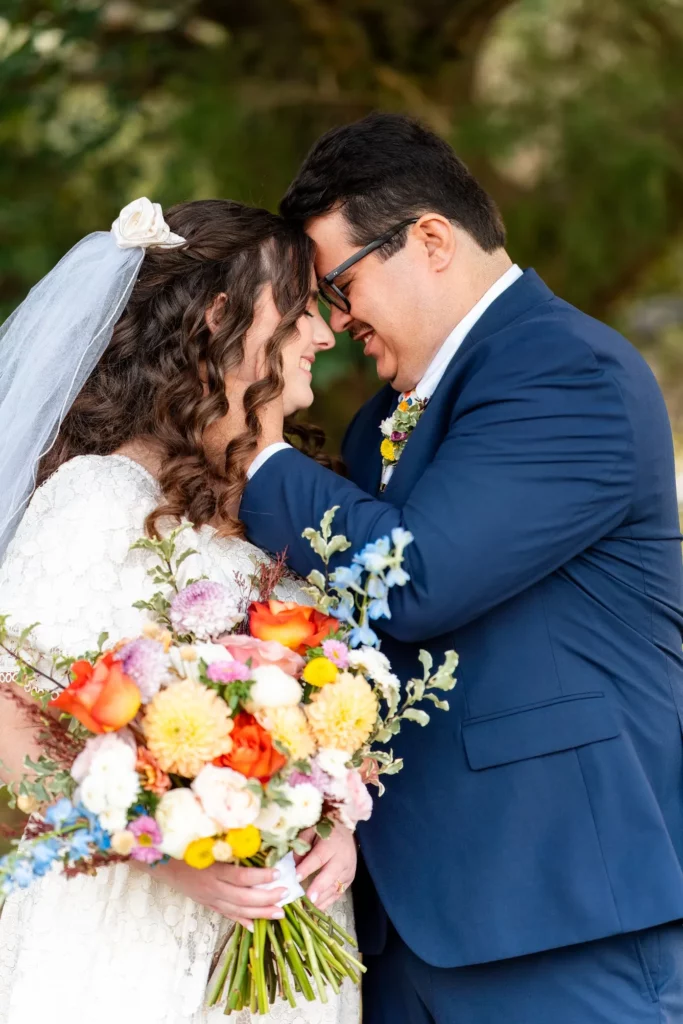
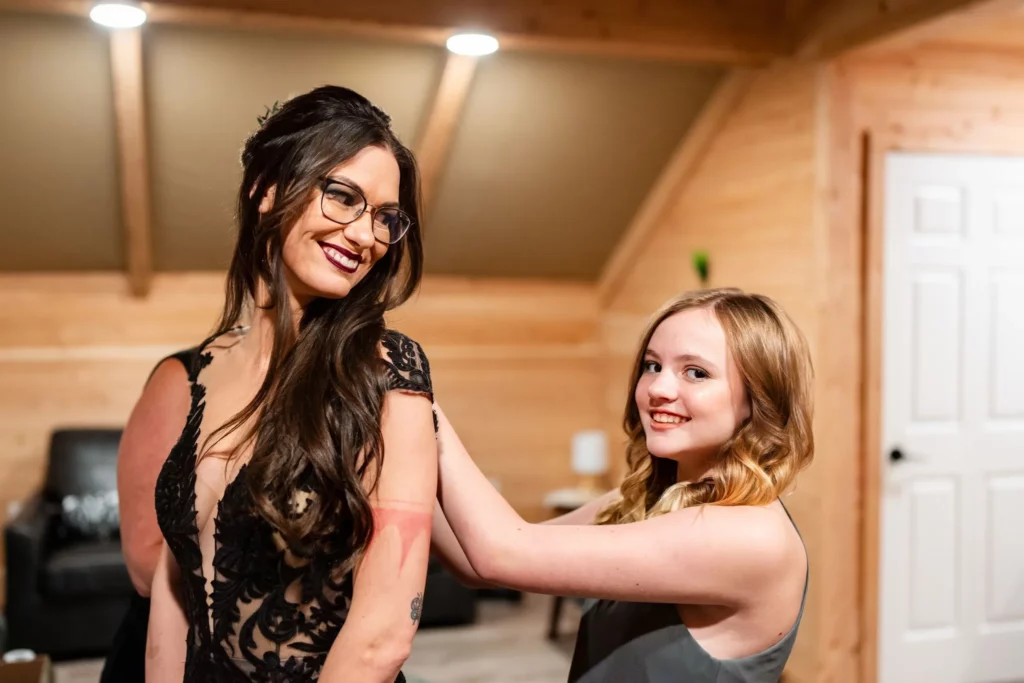
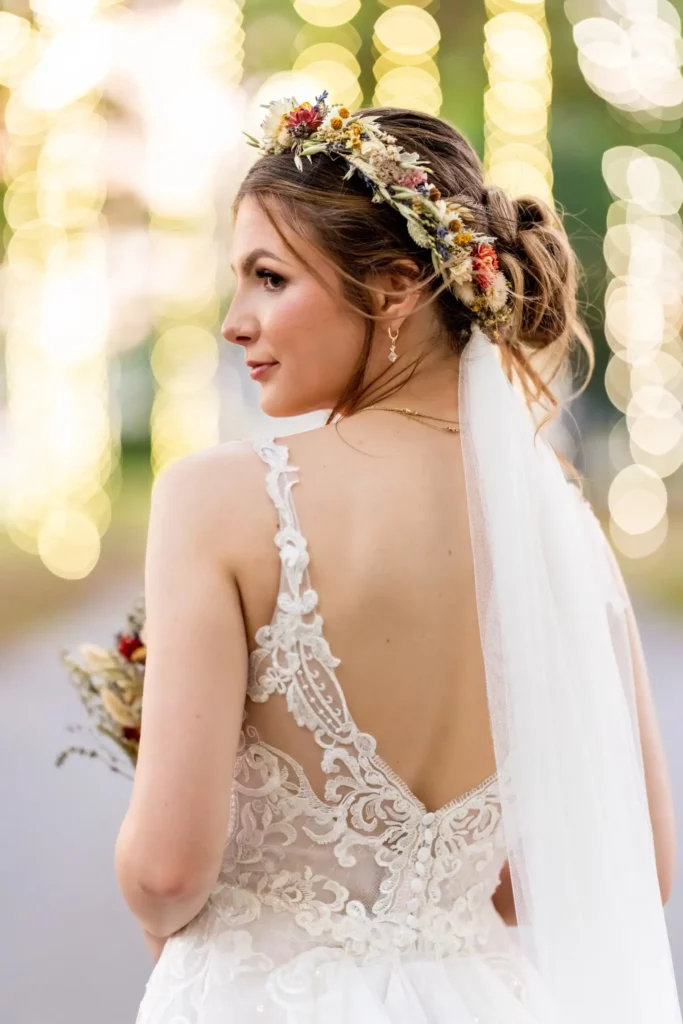
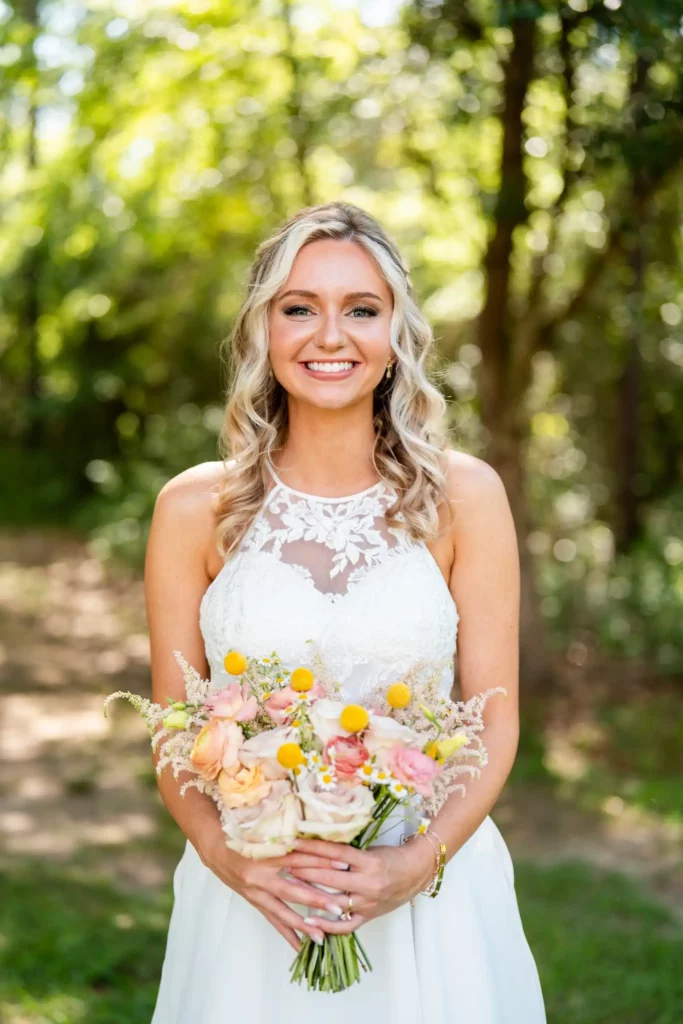
- Skin tones: Do people look natural, or too orange, gray, washed‑out, or overly tanned?
- Whites and blacks: Does a white dress look truly white, or yellow/blue? Do suits look correctly colored?
- Overall mood: Is the style light and airy, deep and contrasty, warm and romantic, or something else? Does it match what you like?
Ask yourself:
- “Can I recognize true colors, or does everything feel like a heavy filter?”
- “Will I still like this look in 10–20 years?”
How KDH Weddings approaches editing:
- The goal is a timeless, cinematic look with real‑feeling skin tones and colors that won’t go out of style, instead of trendy filters that may age quickly.
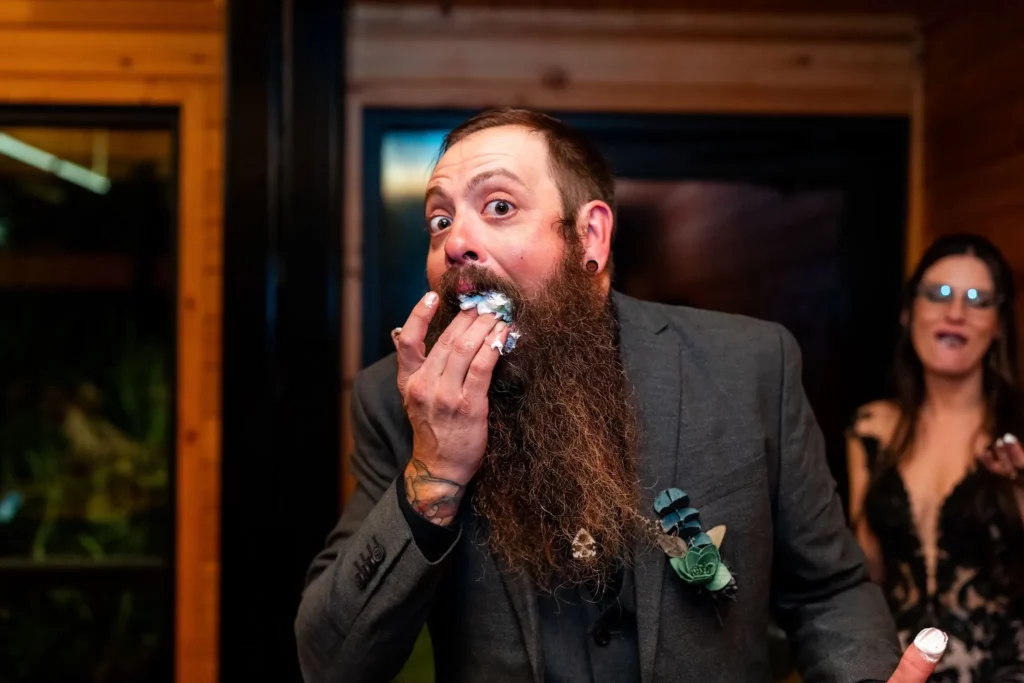
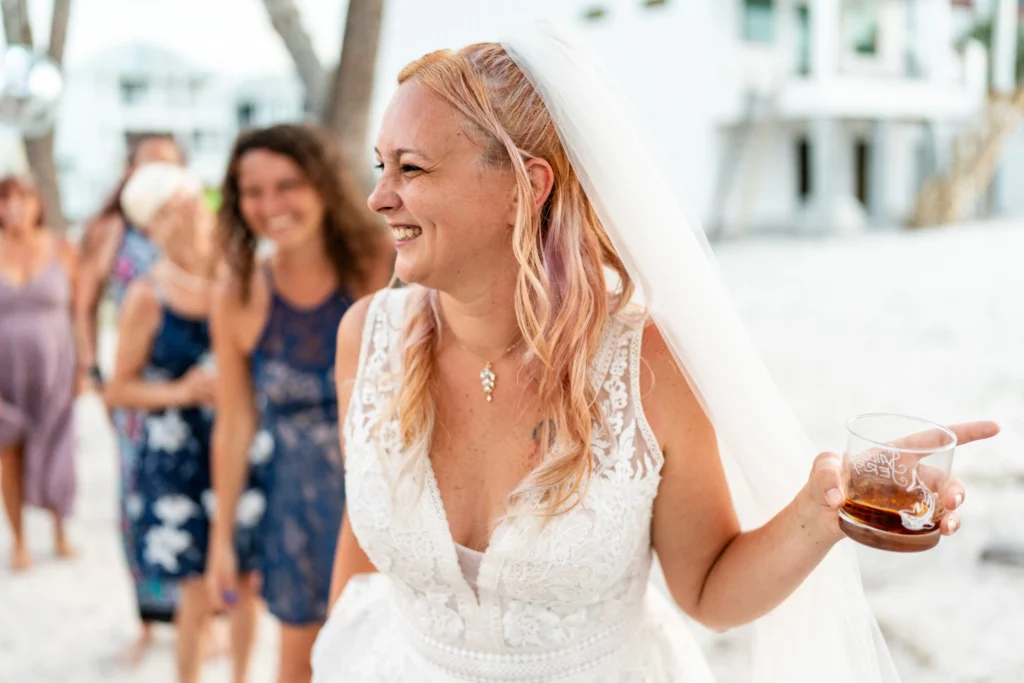
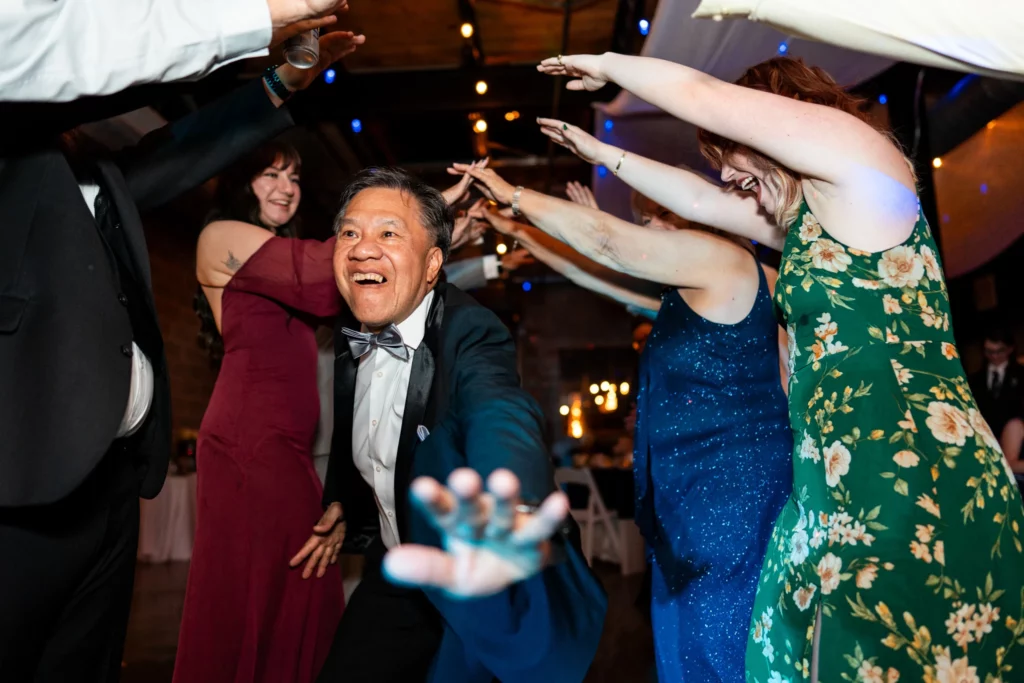
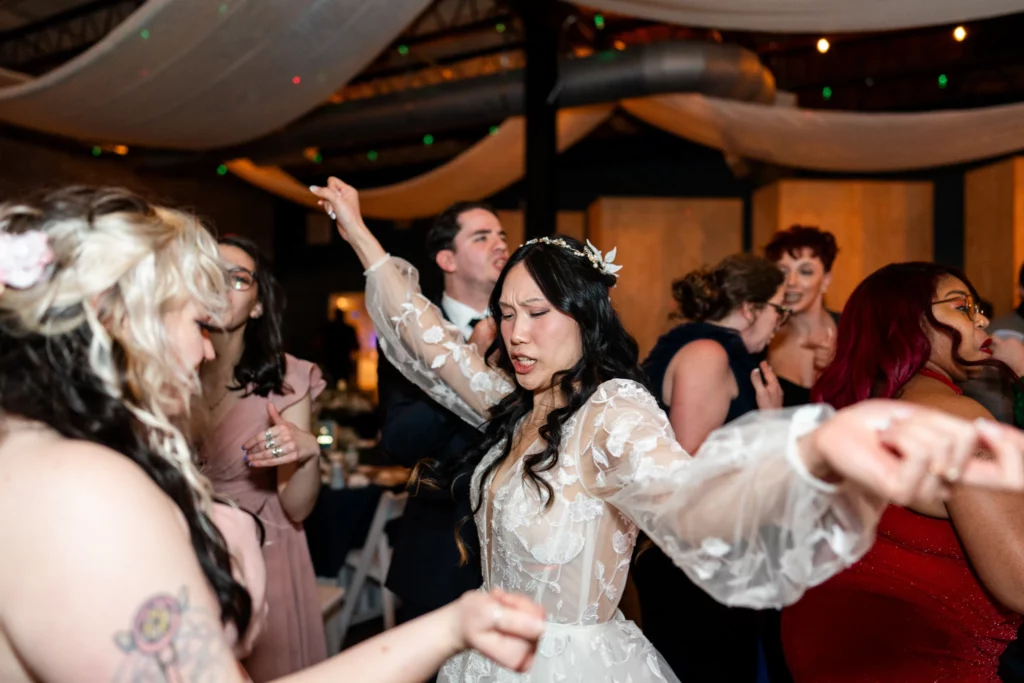
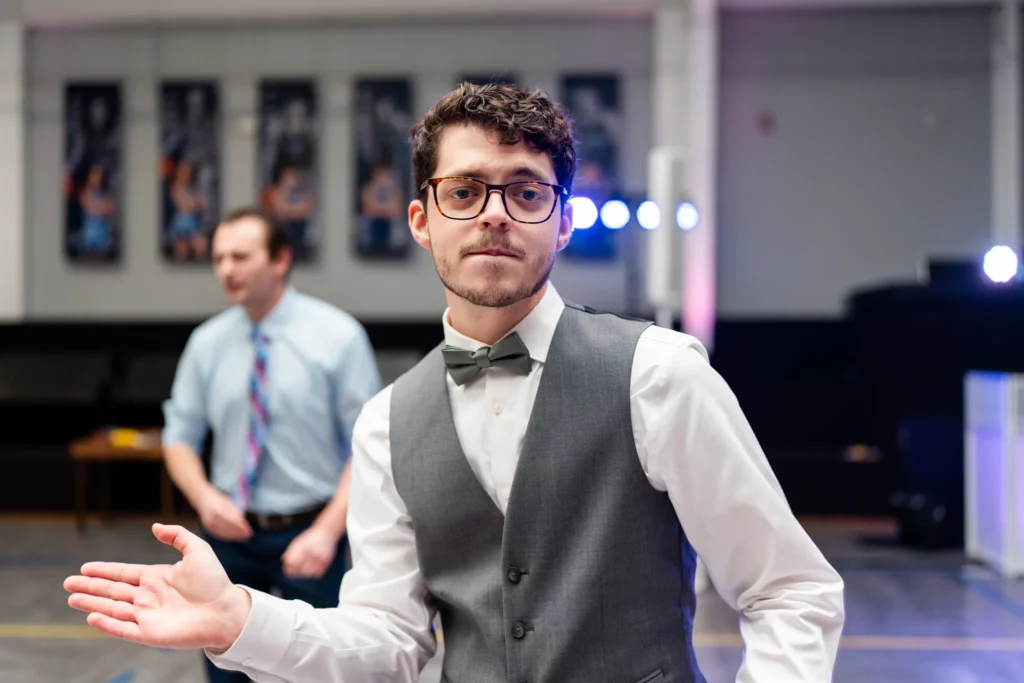
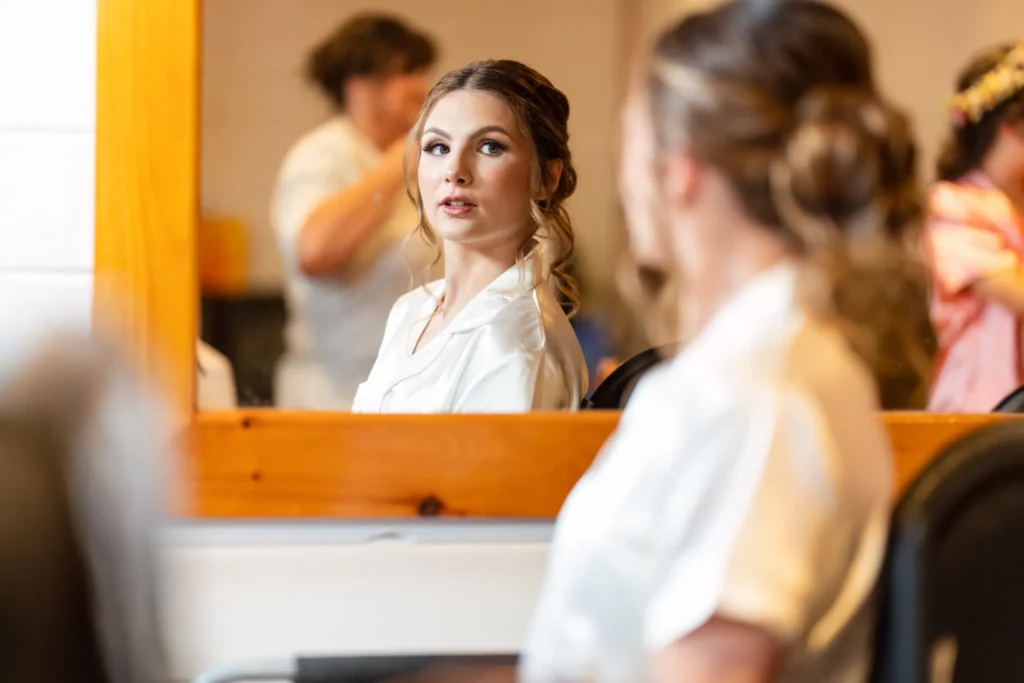
Look at Expressions and Emotion, Not Just Poses
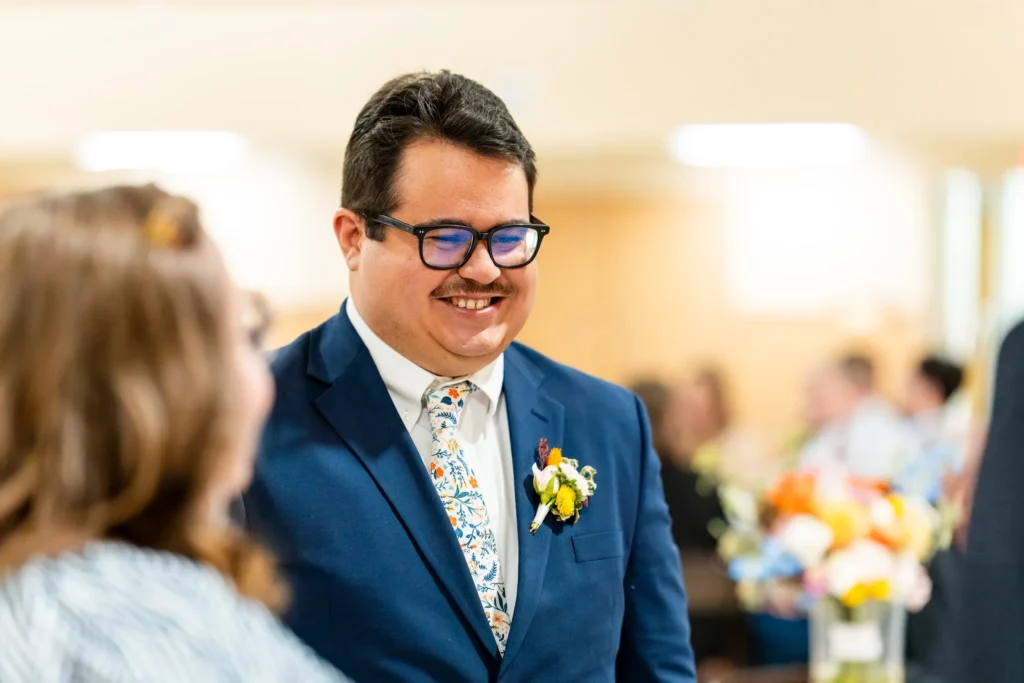
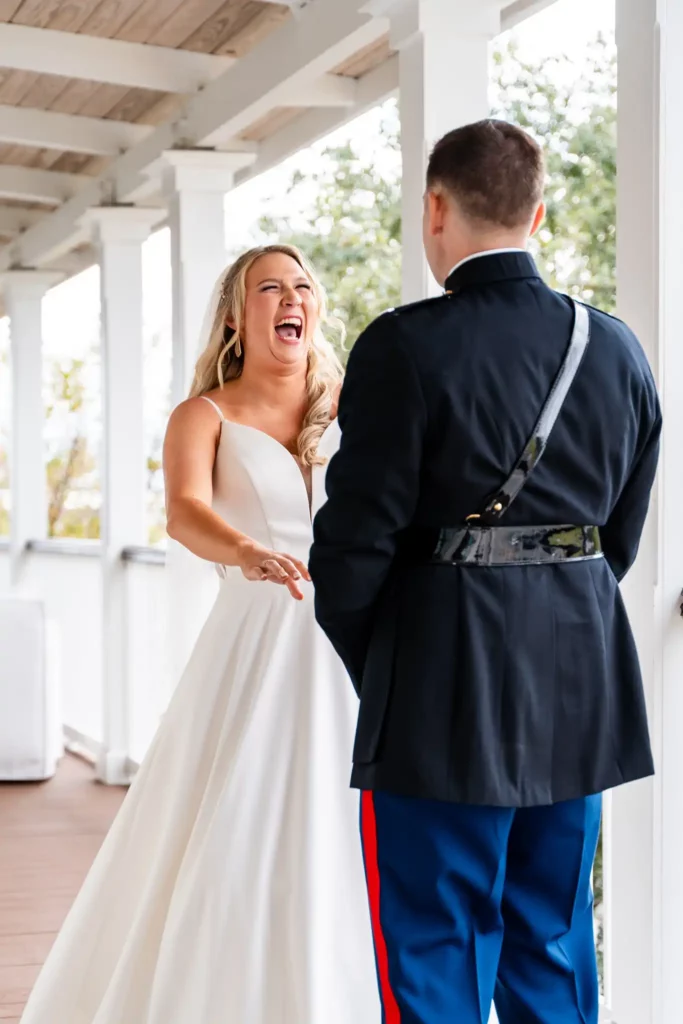
Beautiful locations and dresses are nice but what you’re really hiring someone for is how they capture people.
What to study:
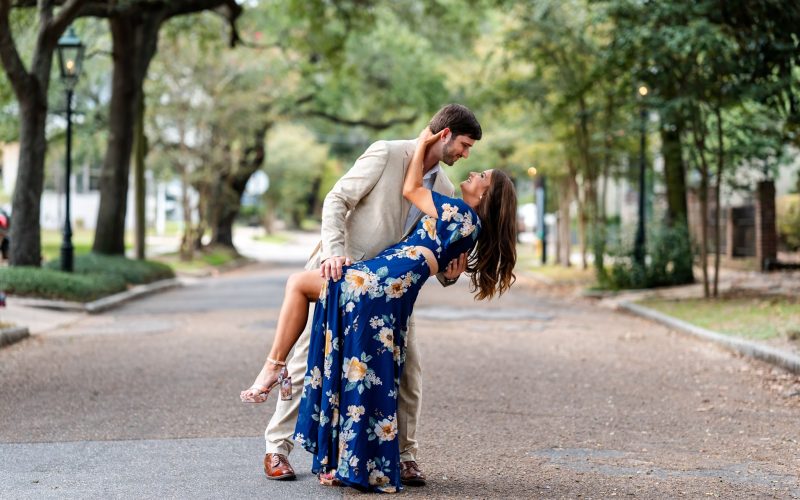
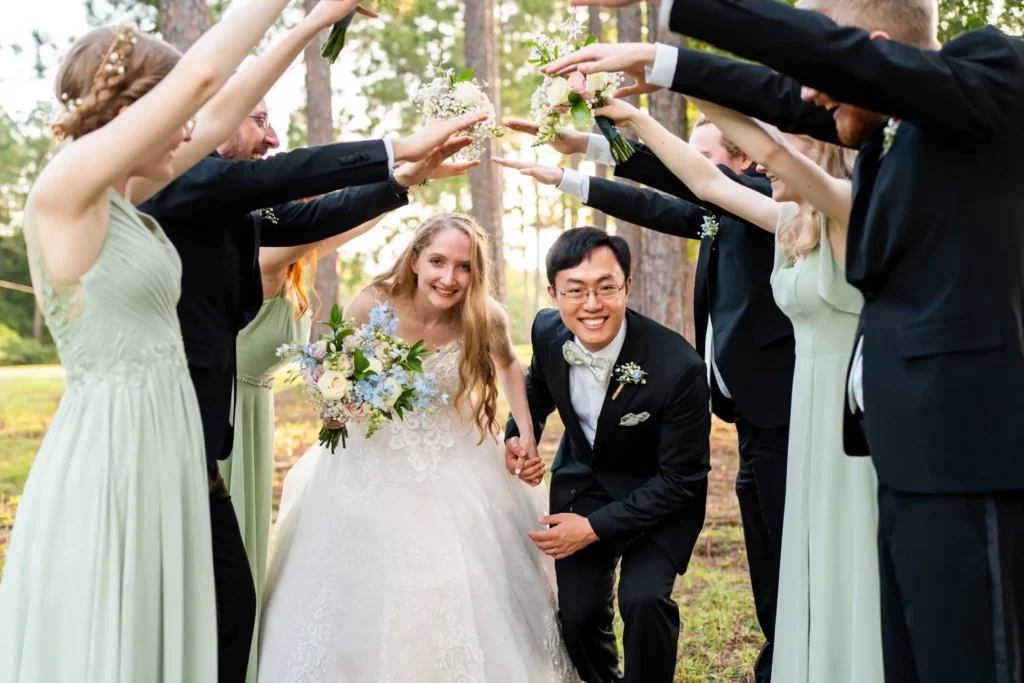
- Faces: Do couples look genuinely happy, relaxed, and themselves, or stiff and over‑posed?
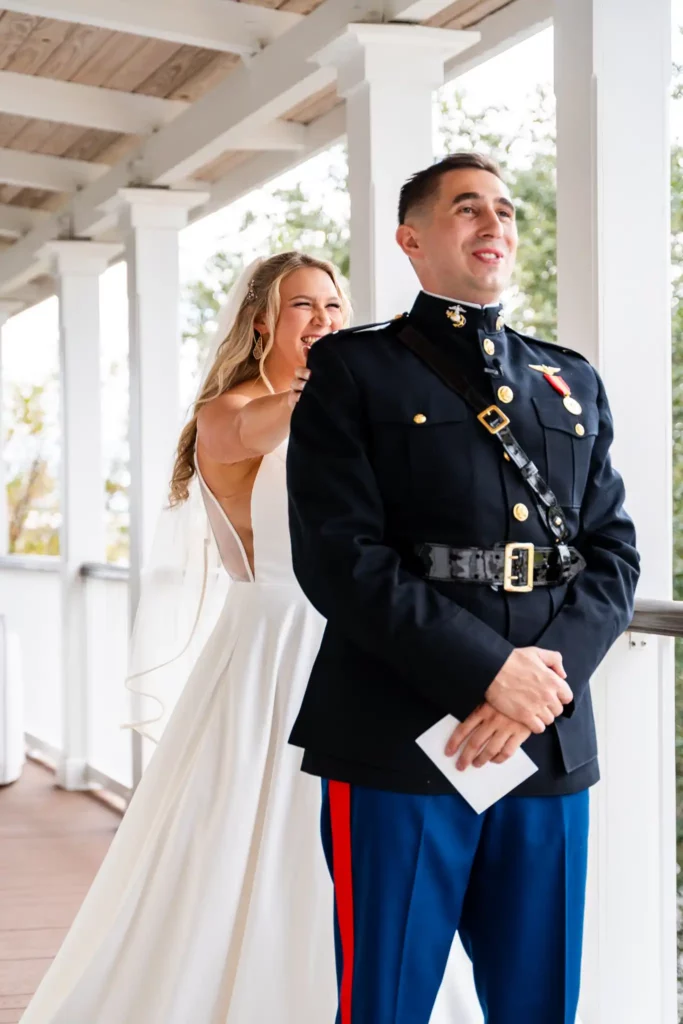
- Candid moments: Are there real laughs, tears, hugs, and in‑between moments, or just staged poses?
- Family and guests: Do you see connection parents, grandparents, friends or is it mostly just the couple?
Good signs:
- Lots of real expression and interaction.
- Couples look comfortable and natural in multiple weddings, not just one.
- Group photos show personality, not just straight lines.
How KDH Weddings works with couples:
- The approach is to guide couples just enough so they feel comfortable, then step back and let them be themselves, using prompts and conversation so smiles and reactions are real, not forced.
Evaluate the Story, Not Just Individual Photos
A strong portfolio doesn’t just show pretty pictures it tells a story from beginning to end.
What to look for in a full gallery:
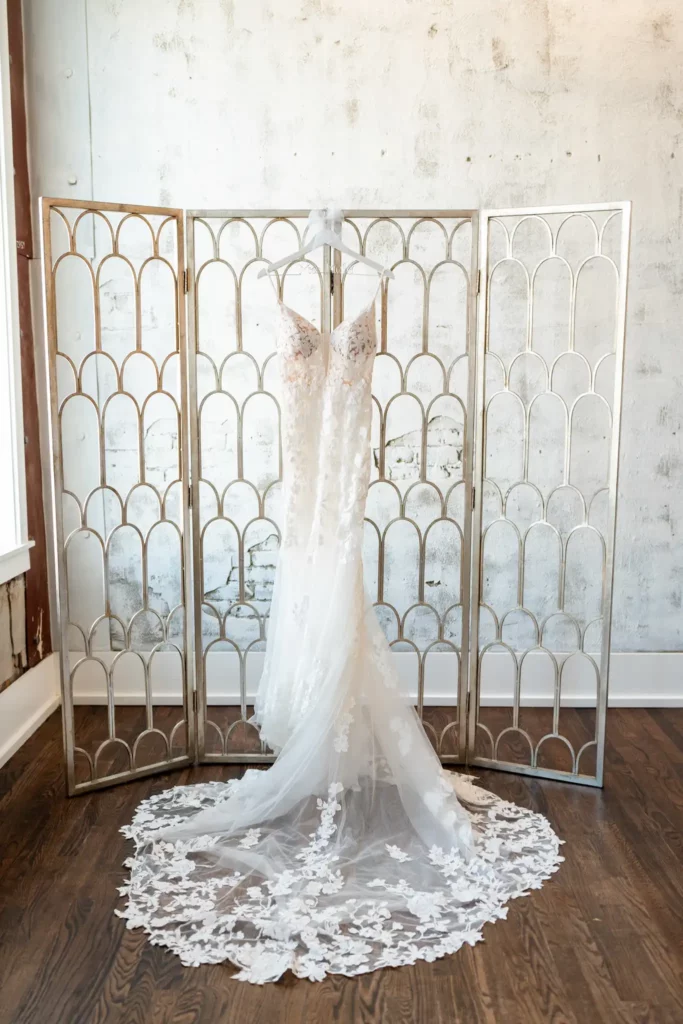
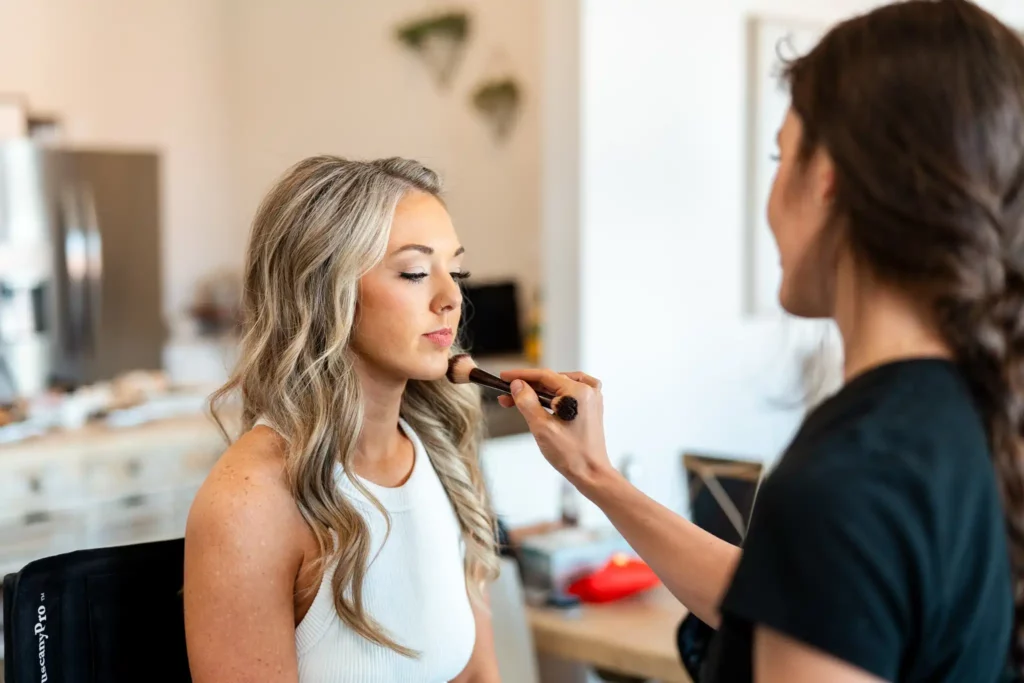
- Start: Getting ready, details, and nerves.
- Middle: Ceremony, vows, and family moments.
- End: Reception, dancing, and send‑off.
- Transitions: Do the photos flow logically? Can you “feel” how the day unfolded?
Ask yourself:
- “If this were my wedding, would I feel like I could relive the day from this gallery alone?”
- “Does the photographer seem to anticipate important moments instead of reacting late?”
How KDH Weddings thinks about storytelling:
- The goal is to build a narrative: from quiet getting‑ready moments to loud reception energy, so your gallery feels like a movie of your day in still images.
👉 See Our Wedding Photography Portfolio
Check the Diversity of Couples, Locations, and Situations
You want to know the photographer can handle more than one “type” of wedding.
Things to scan for:
- Different venues: Beach, indoor, downtown, gardens, churches.
- Different weather: Sunny, cloudy, rainy, windy.
- Different couples: Various personalities, body types, ages, family structures.
Why it matters:
- It shows the photographer can adjust to real life, not just perfect conditions.
- It helps you imagine yourself in the photos, even if your wedding is different from what you usually see online.
How KDH Weddings builds variety:
- The portfolio includes a mix of Pensacola beach weddings, downtown celebrations, intimate ceremonies, and larger events so couples can see how coverage adapts to different settings.
Read the Portfolio Together with the Reviews
The photos show what the work looks like; the reviews show what the experience feels like.
What to connect:
- Do reviews mention the same things the portfolio suggests? (Calm energy, ability to handle big groups, flexibility with weather, fast delivery, etc.)
- Do couples talk about feeling cared for, directed, and relaxed not just about “pretty photos”?
Questions to ask yourself:
- “If I had the same experience people are describing here, would I be happy?”
- “Does this sound like someone I’d actually want around me all day?”
With KDH Weddings:
- Many couples mention things like timelines being rescued, large groups managed smoothly, and feeling like they could truly relax and have fun all of which should show up in the galleries as well.
👉 See Our Wedding Reviews From Real Couples
Simple Checklist for Reviewing Any Portfolio
When you look at any photographer’s work, use this quick checklist:
- Can I see at least one or two full wedding galleries?
- Do the photos look good in bright sun, shade, indoors, and at night?
- Do skin tones and colors look natural and flattering?
- Do couples and guests look genuinely comfortable and happy?
- Does a full wedding gallery tell a clear story from start to finish?
- Is there variety in venues, weather, and types of couples?
- Do reviews match what I see in the images?
If you can answer “yes” to most of these, you’re likely looking at a photographer who delivers consistent, trustworthy work not just one good day.
If you’d like to practice reading a portfolio using this checklist, you can walk through the KDH Weddings galleries and apply each point, then bring any questions you have to your consultation.